Garden Details
Garden Details
Urban Missionaries of Our Lady of Hope is a Worcester‑based Catholic outreach ministry dedicated to serving individuals and families in crisis with compassion, dignity, and practical support. For more than 45 years, the Missionaries have operated on the front lines of urban poverty—offering emergency assistance, vocational training, food security programs like the Community Garden of Hope, and a welcoming presence to anyone who comes to their door. Their work is rooted in the belief that hope is best delivered through direct action, personal accompaniment, and unwavering commitment to those most in need.
Garden of Hope Fundraising
The Garden of Hope is more than a hydroponics project — it is a living classroom, a food security engine, and a place where youth, families, and volunteers discover the joy of nurturing life.
Community Garden of Hope is a hydroponic garden designed to do more than grow fresh produce. It’s a place where community members can volunteer, learn about sustainable agriculture, and work together to help increase access to fresh, healthy food in Worcester.
Garden Practices
Garden Practices
Garden Practices – Community Garden of Hope
Urban Missionaries of Our Lady of Hope
Our gardening practices are rooted in Catholic values of stewardship, community, and care for creation. At the Community Garden of Hope, we combine traditional gardening principles with innovative hydroponic methods to grow healthy food, teach practical skills, and strengthen our mission of service in Worcester.
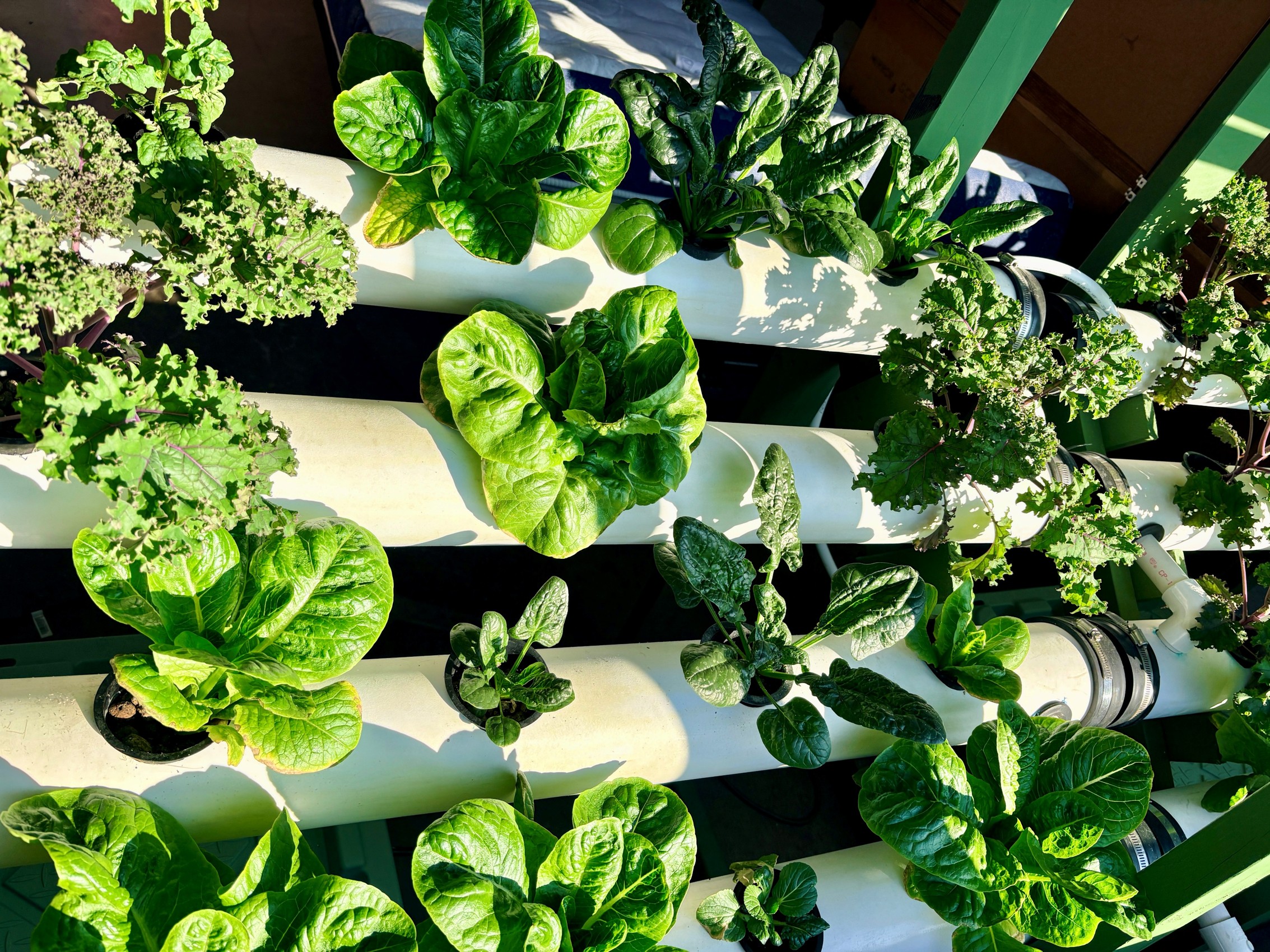
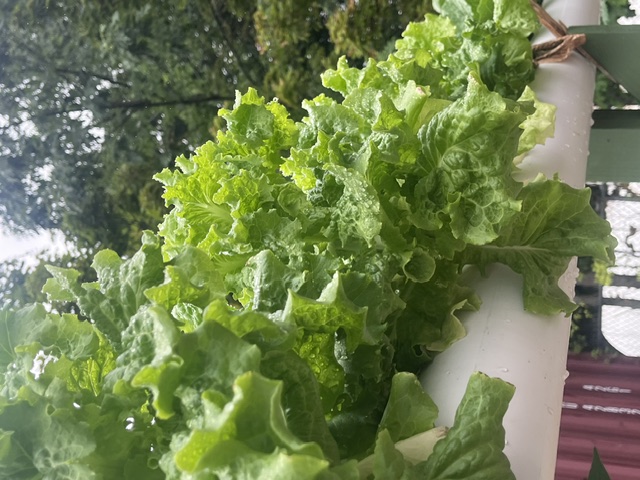
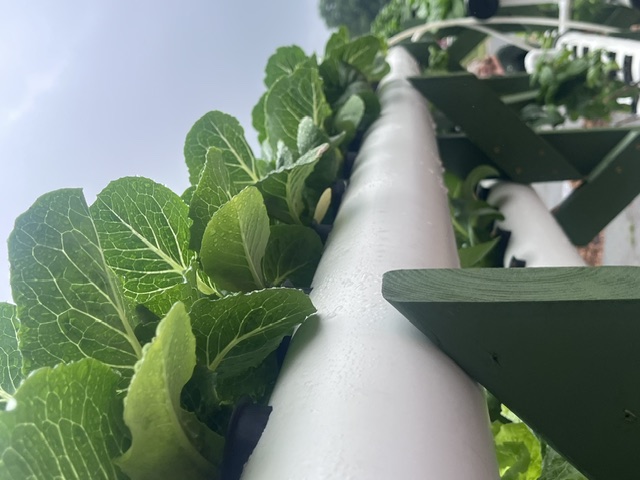
Our hydroponics garden is the heart of our growing ministry. It allows us to cultivate fresh produce year round and expand food access for families who rely on our food pantry.
Key practices include:
-Soilless Growing: Plants are grown in nutrient rich water, allowing for faster growth and higher yields.
-Water Conservation: Hydroponics uses up to 90% less water than traditional gardening, making it an environmentally responsible method.
-Continuous Monitoring: Volunteers learn to check pH levels, nutrient balance, and water flow to ensure optimal plant health.
-Hands On Learning: Community members, students, and volunteers receive training in hydroponics, basic agriculture, and vocational skills.
Our current crops include:
Lettuce
Kale
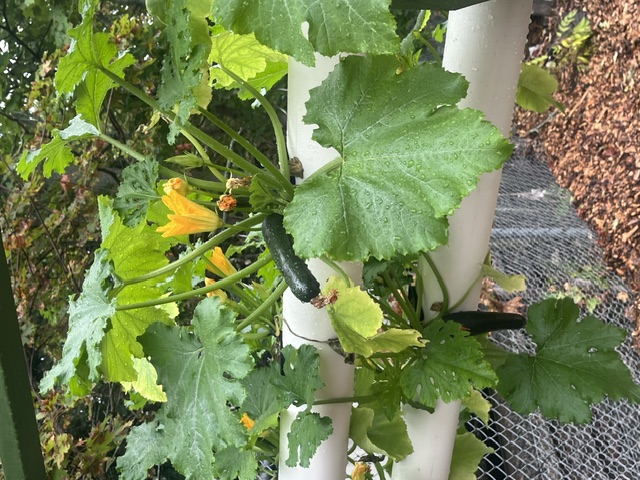
Squash
Cucumbers
Basil
Green Beans
Herbs (basil, parsley, and more) These fresh vegetables support our food pantry and help us provide nutritious options to families in need.
Community Engagement
Weekly volunteer days bring together parishioners, families, local community, students, and partner organizations.
We plan to offer educational sessions on hydroponics, sustainability, and Catholic social teaching.
The garden serves as a place of fellowship, learning, and hope—reflecting our mission to uplift those we serve
Additional Information
Additional Information
One of our ongoing challenges has been deepening our understanding of hydroponics—learning how to balance nutrients, monitor water quality, and adjust systems as our crops grow. As we continue to expand the Garden of Hope, each new setup teaches us something different, and we’re steadily building confidence through hands‑on practice. We’ve also had to address the local critters who have taken a particular liking to the bottom rows of our towers. Their curiosity has forced us to get creative with gentle deterrents and protective barriers, ensuring our plants stay healthy while we remain good stewards of the creatures that share our space.
To continue growing the Garden of Hope and expanding our hydroponics ministry, we are seeking key support in two areas. First, we hope to secure funding for additional hydroponic towers, which will allow us to increase our production of fresh vegetables for families who rely on our pantry. Each new tower strengthens our capacity to teach, serve, and provide healthy food year‑round. Second, we are looking for additional volunteers who can help us offer training to the local community. As more neighbors, students, and partner organizations express interest in learning hydroponics, having committed volunteers to guide them is essential. With these resources—more towers and more hands—we can deepen our impact and extend the hope our garden was created to share.
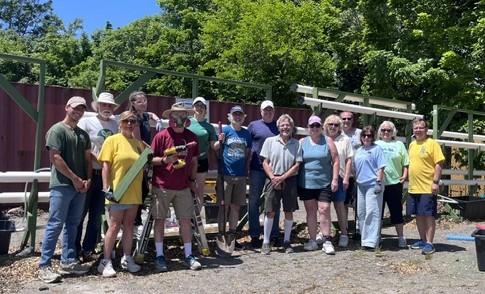
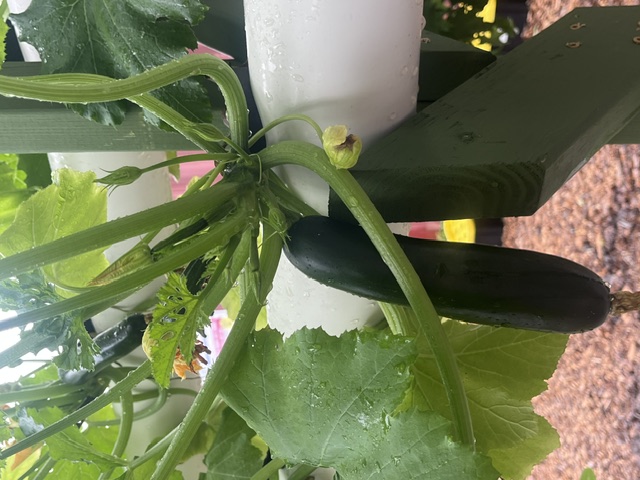
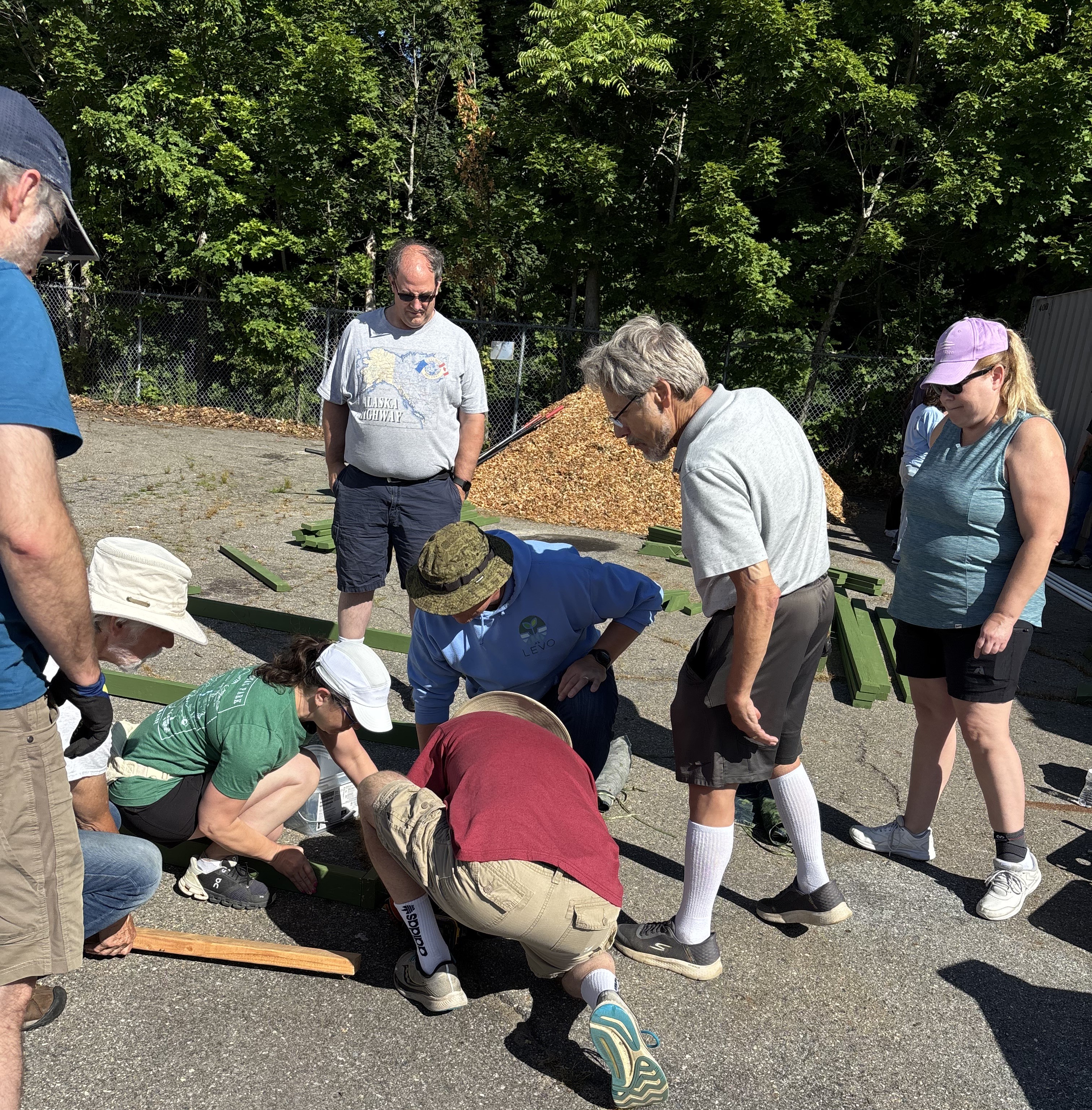
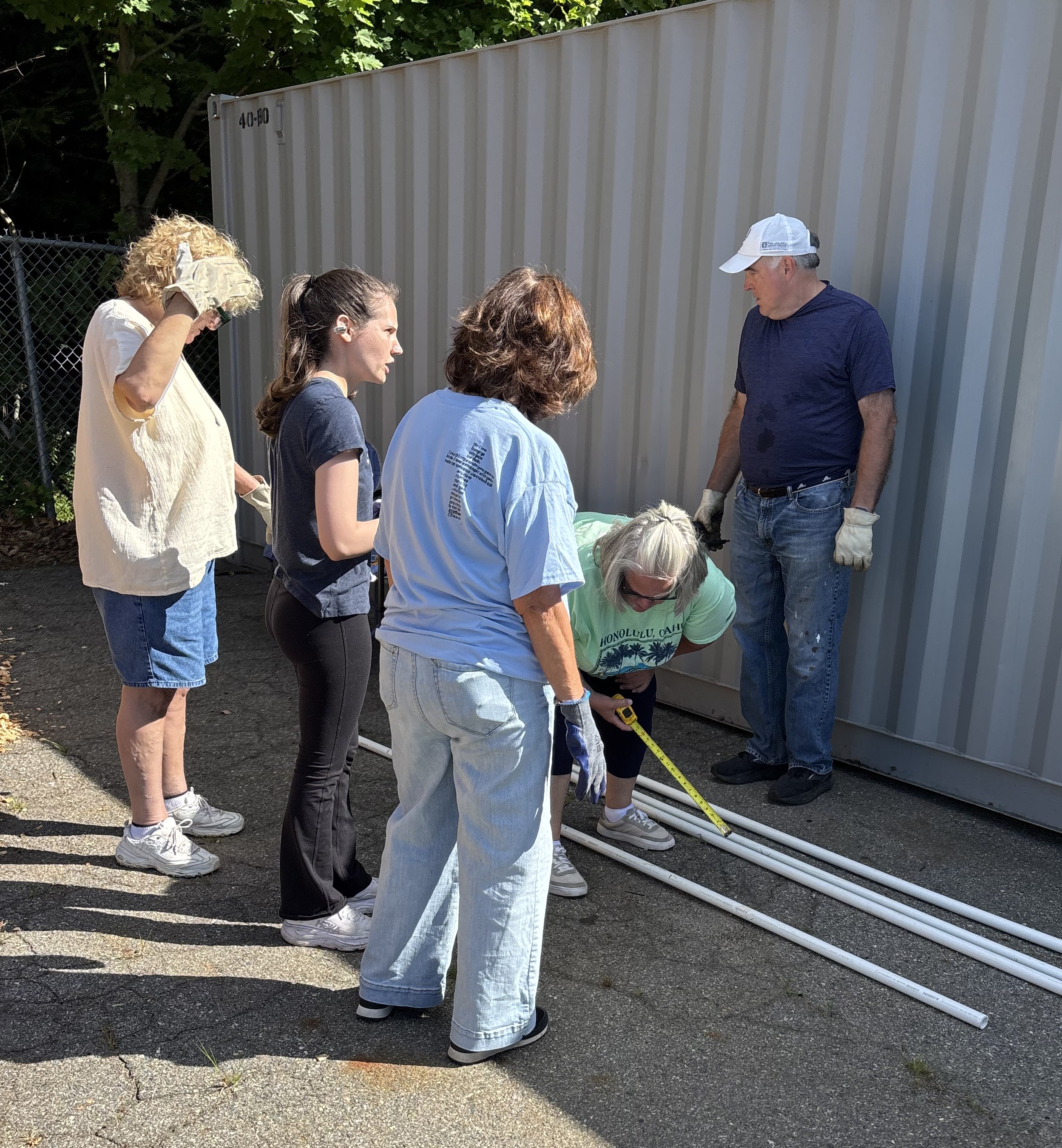
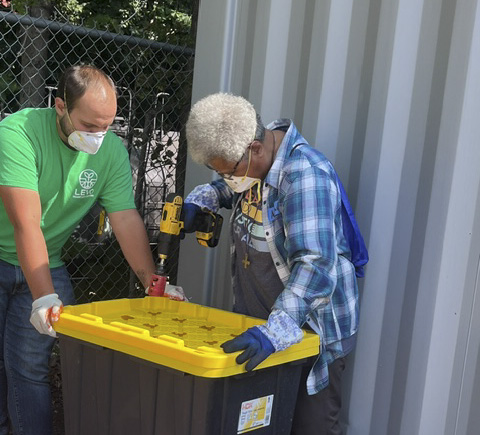
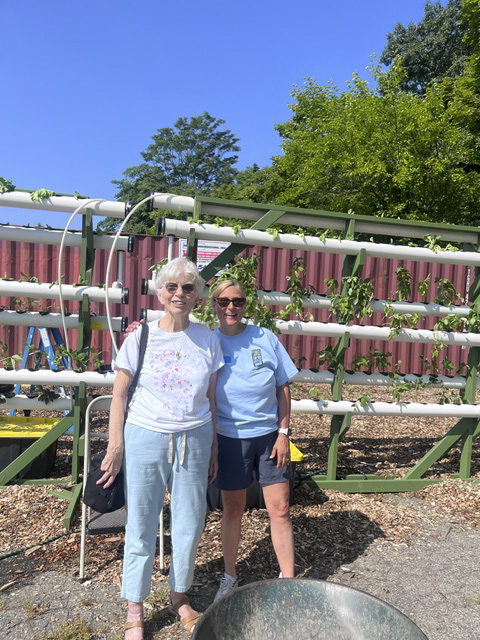
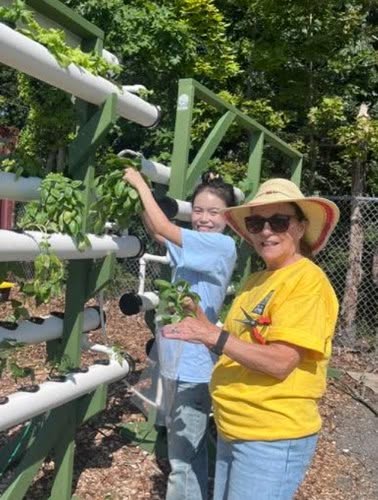
Our recent successes have been a tremendous source of encouragement for everyone involved in the Garden of Hope. More than a dozen volunteers from St Rose of Lima Parish in Northborough came together to build and plant our expanded outdoor garden, transforming a simple idea into a thriving space of community and service. In addition we have had many dedicated volunteers plant and harvest that have made it possible for us to move quickly into outdoor production, and the results have exceeded all expectations. In just one month, our harvest has been abundant—basil, lettuce, cucumbers, and zucchini have become our primary crops, growing vigorously and providing fresh, healthy produce for the families we serve. This early success affirms both the strength of our volunteers and the promise of our expanded hydroponic and outdoor gardening efforts.