Garden Details
Garden Details
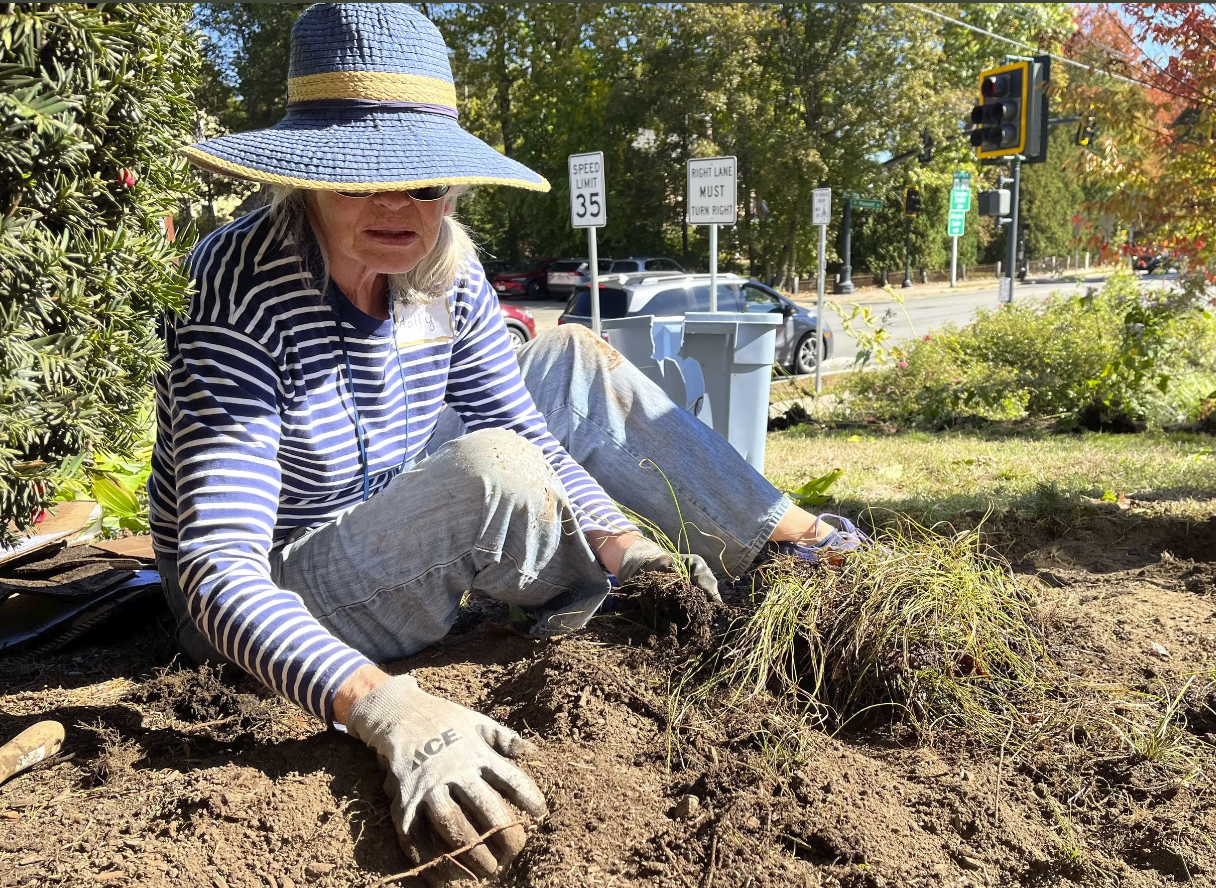
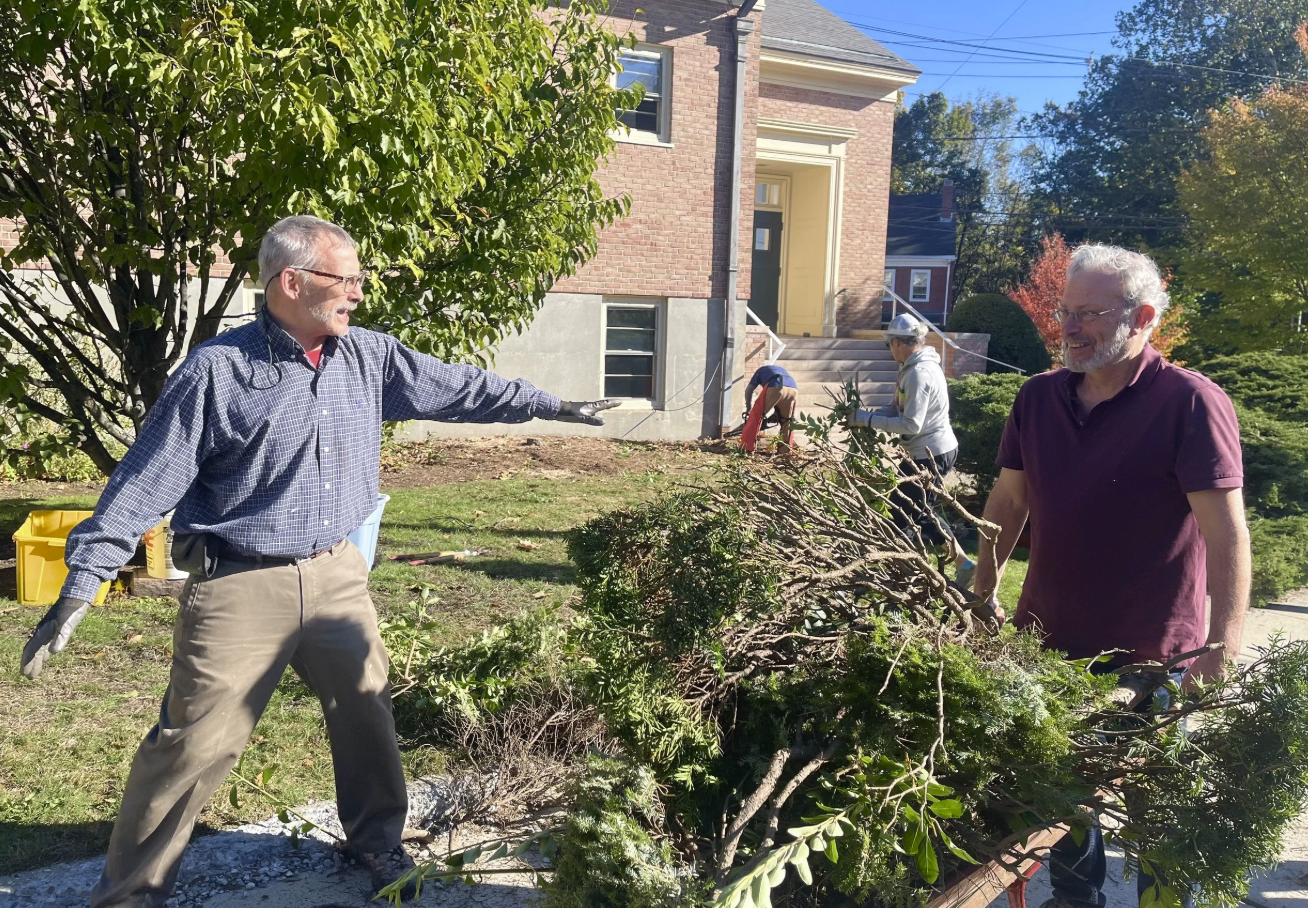
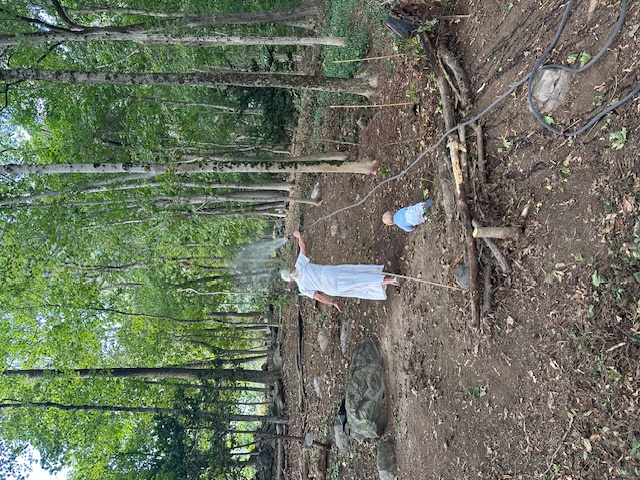
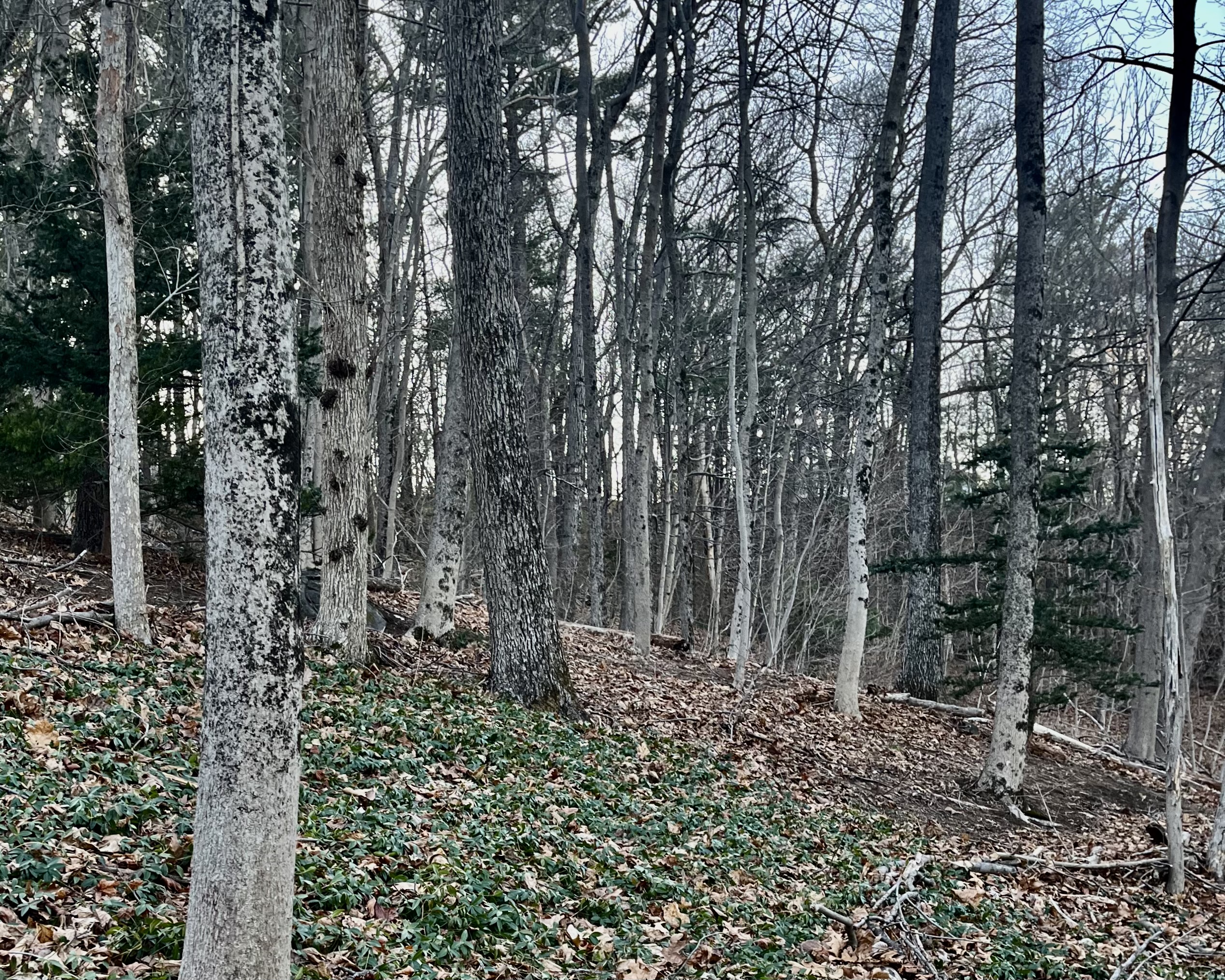
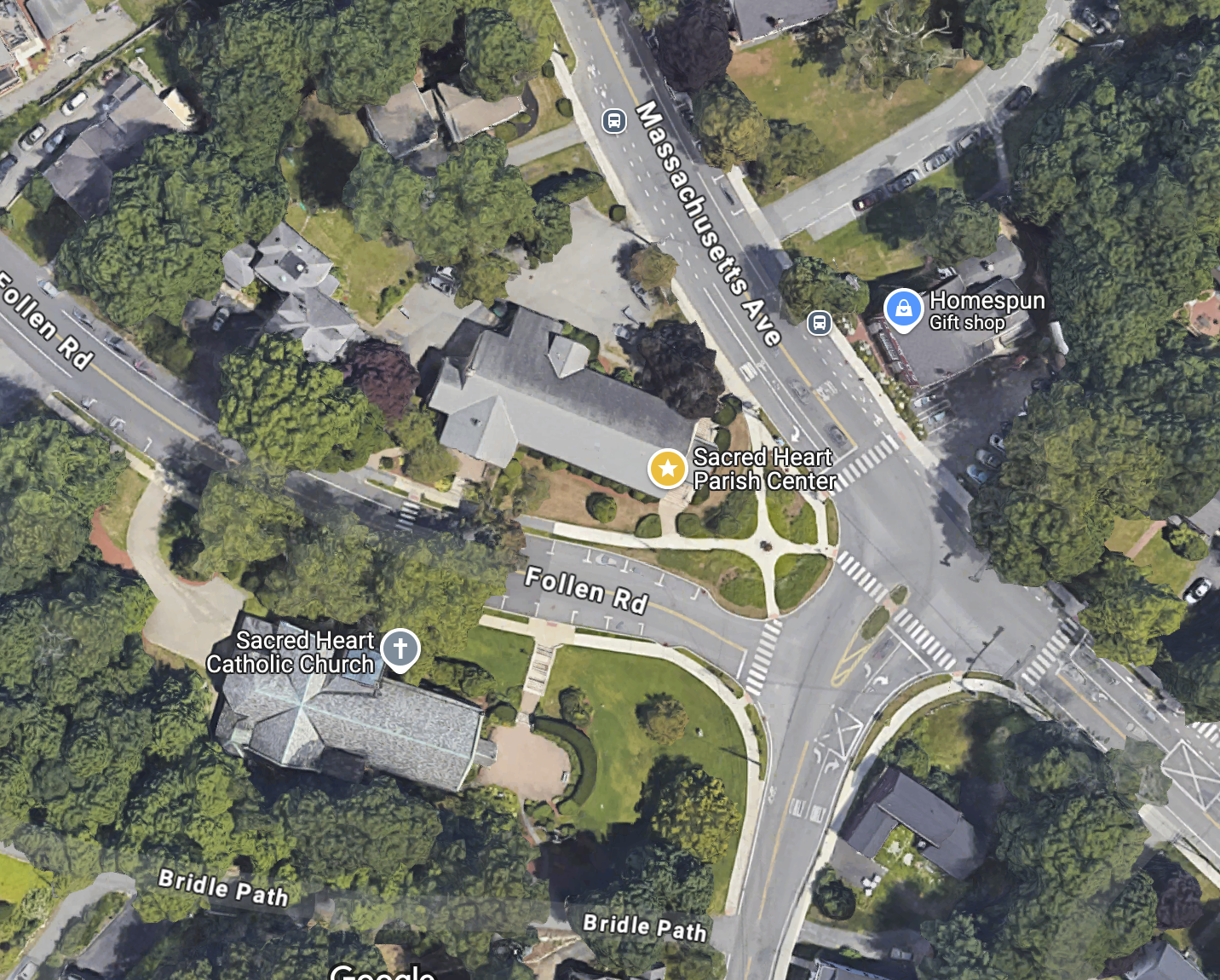
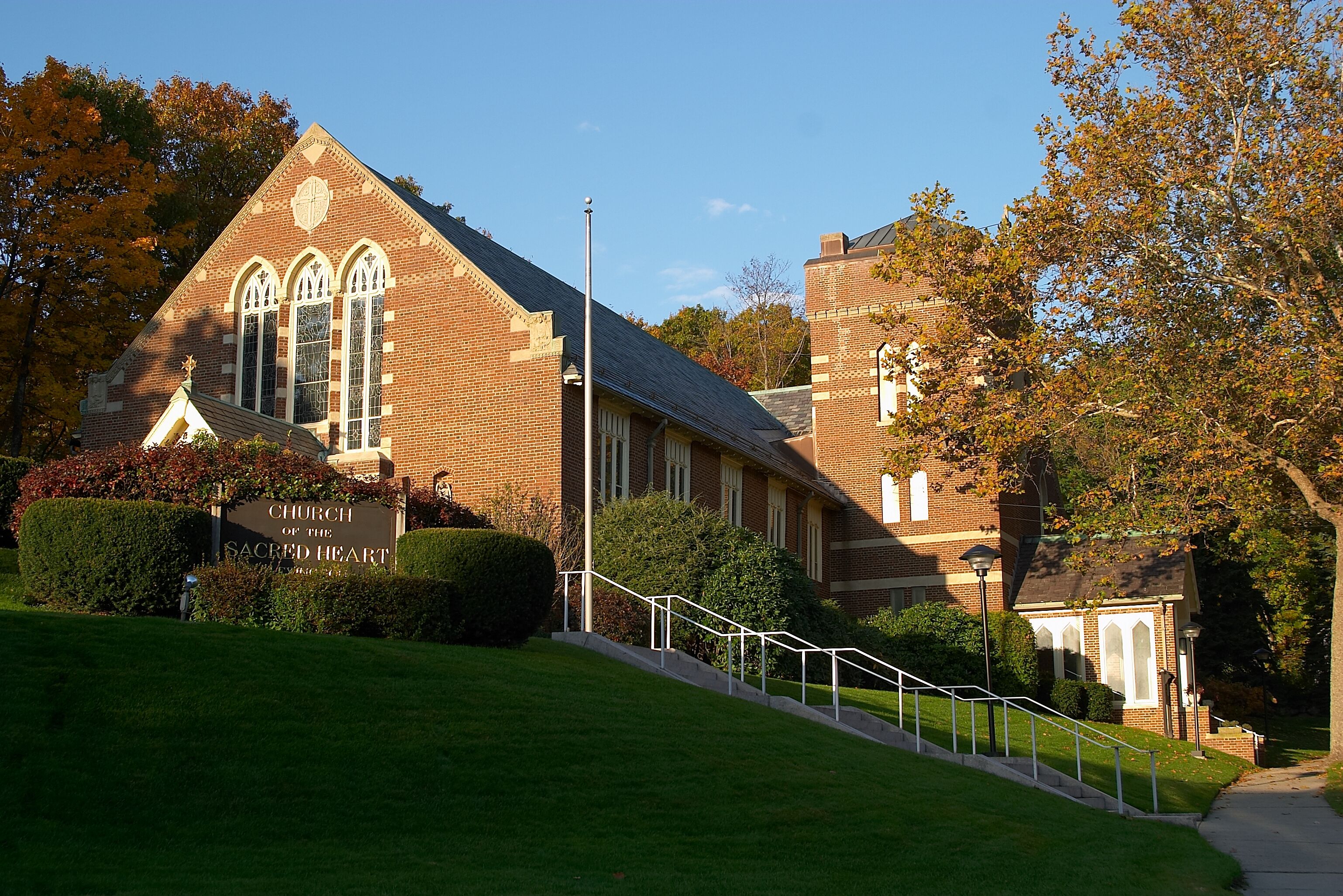
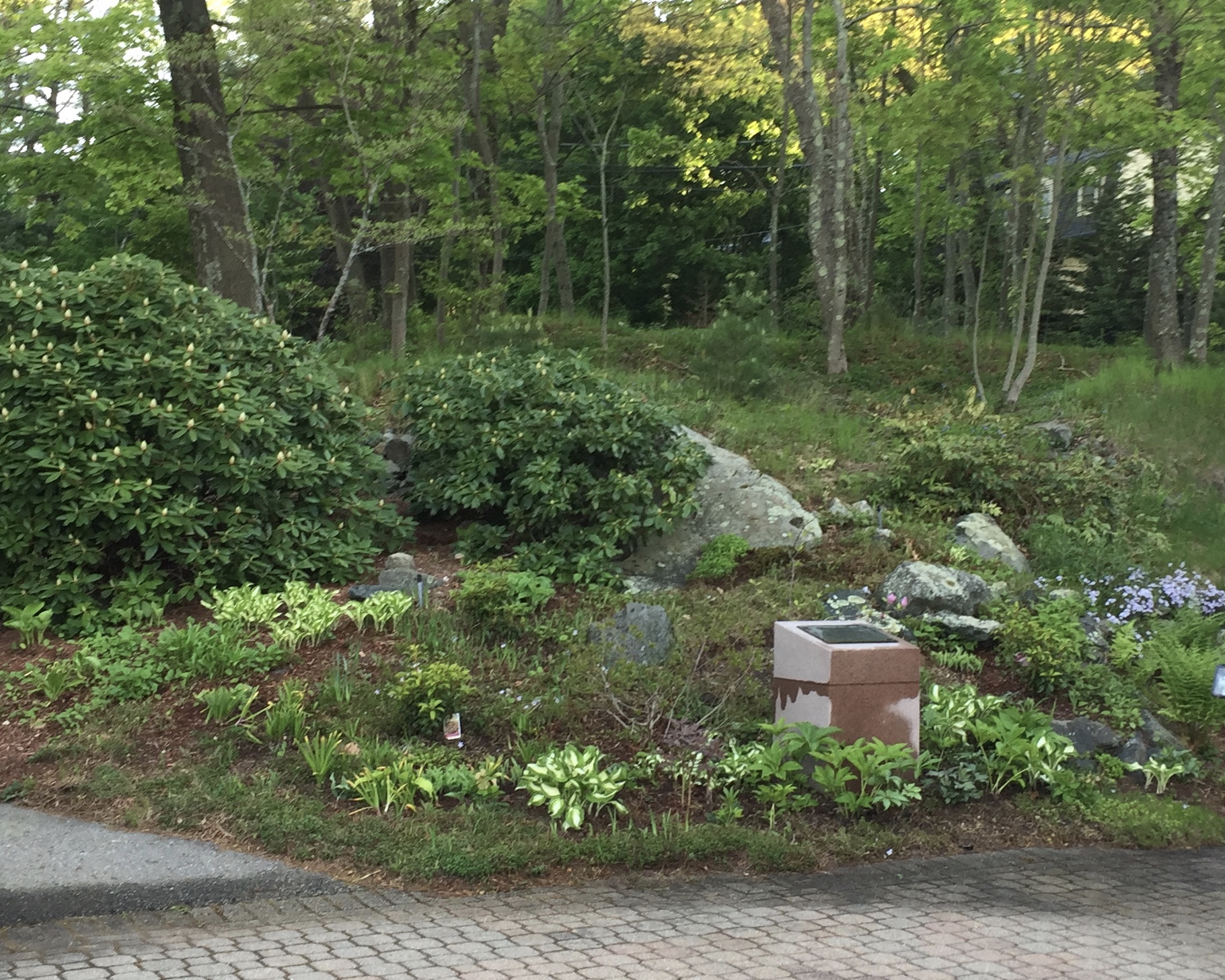
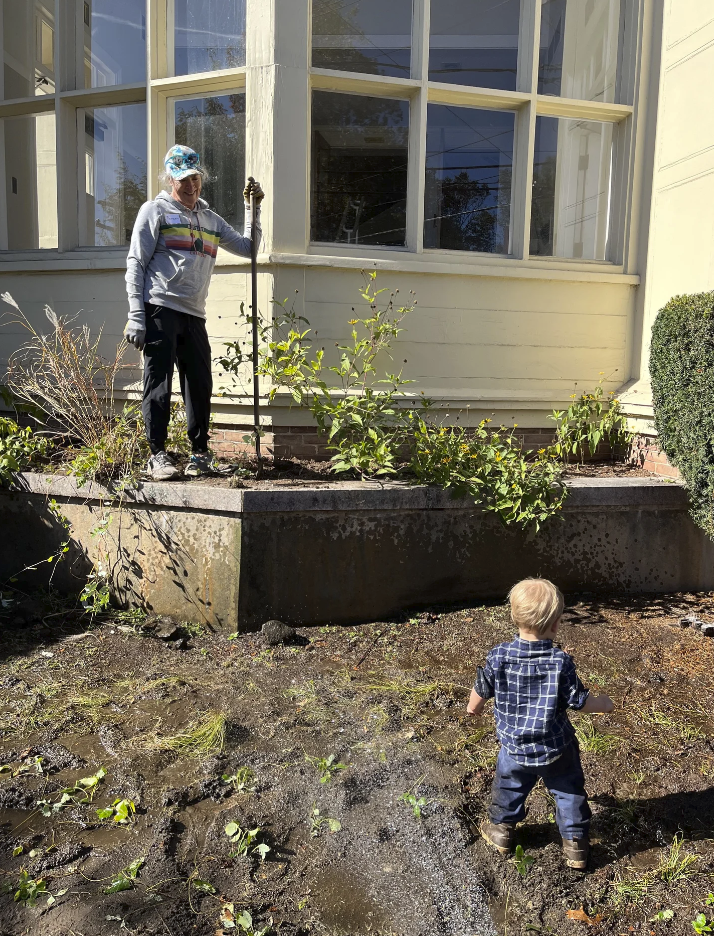
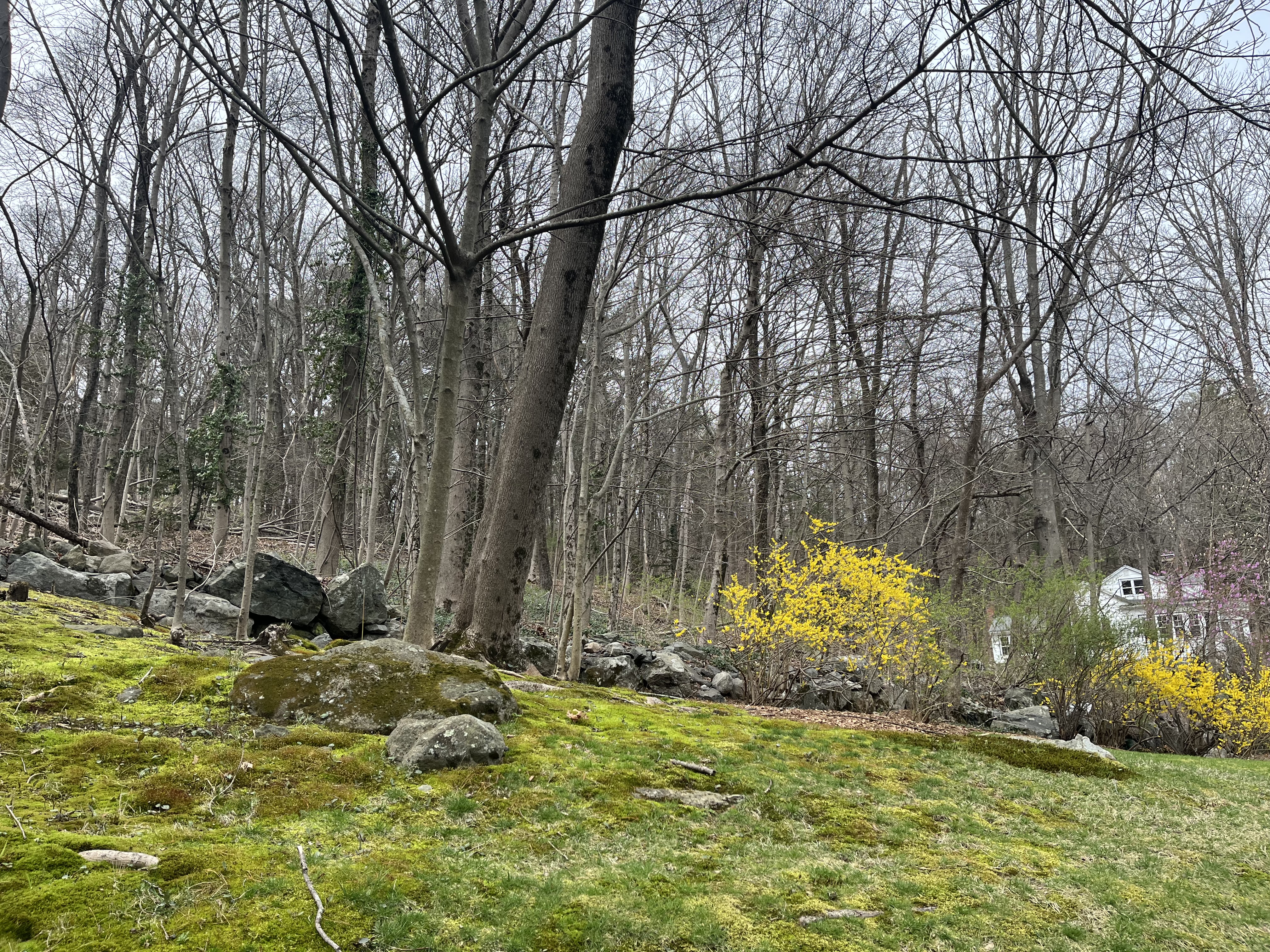
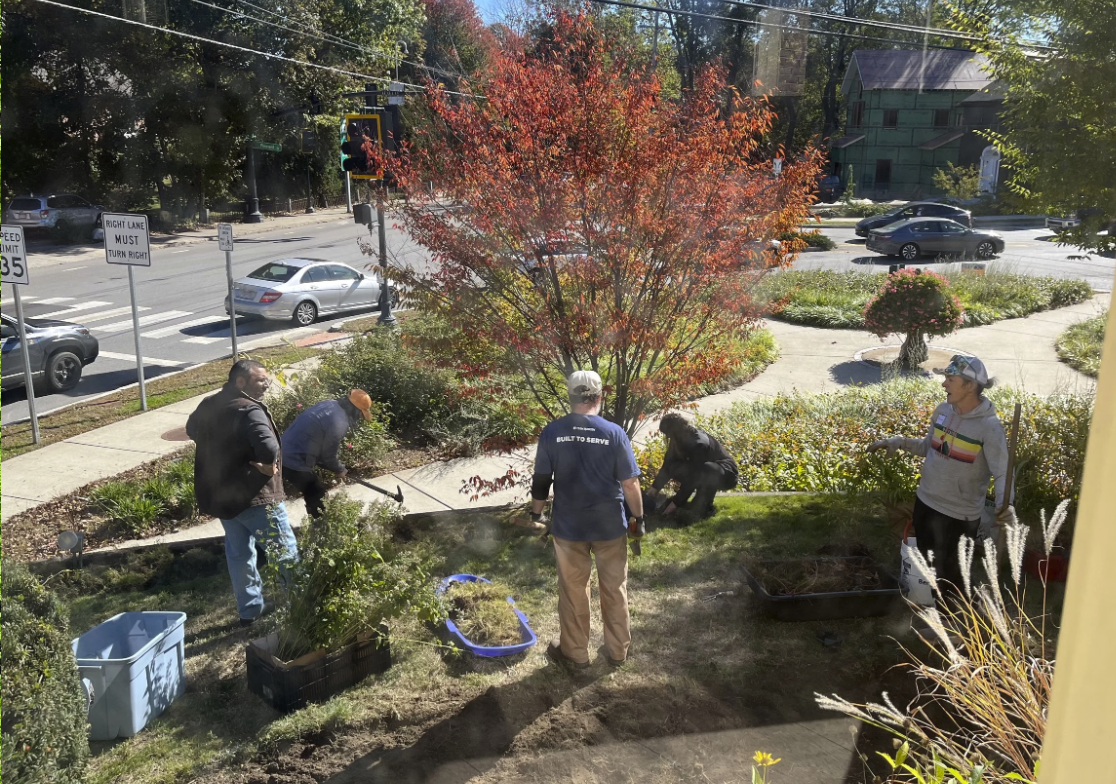
Our land is at the base of Mount Independence and at one of the first large intersections coming into Lexington. It has been landscaped primarily with grass and sheared shrubs for at least 75 years, other than an uphill acre of forest that was completely neglected. Over the past year, our parish has created two gardens: a native pollinator garden and a test plot that restoring a forty-foot-diameter circle of woodland that had become dominated by invasive plants. The total area transformed is about 3,000 square feet. We have also created a hügelkultur berm as a carbon sink that will reduce ice problems on the sidewalks and driveway to our church.
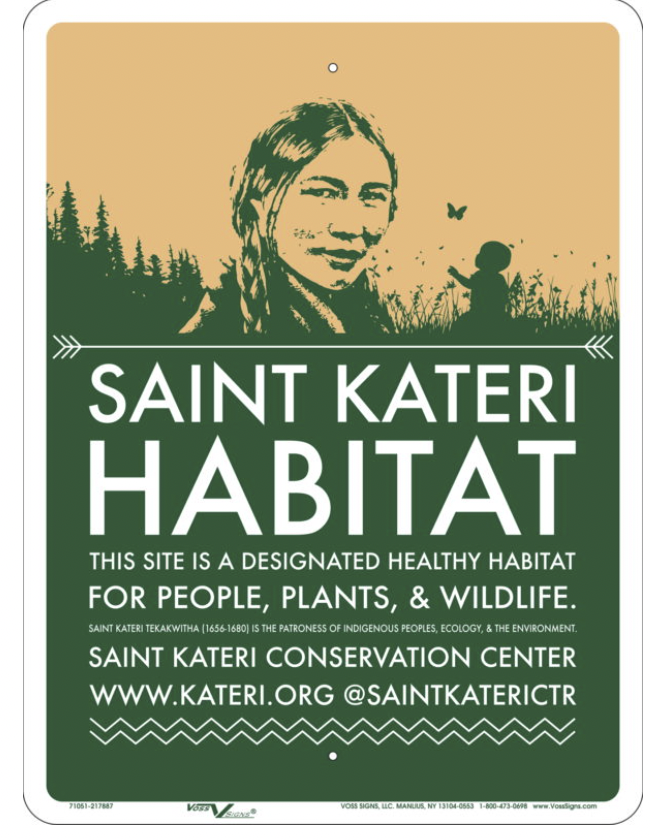
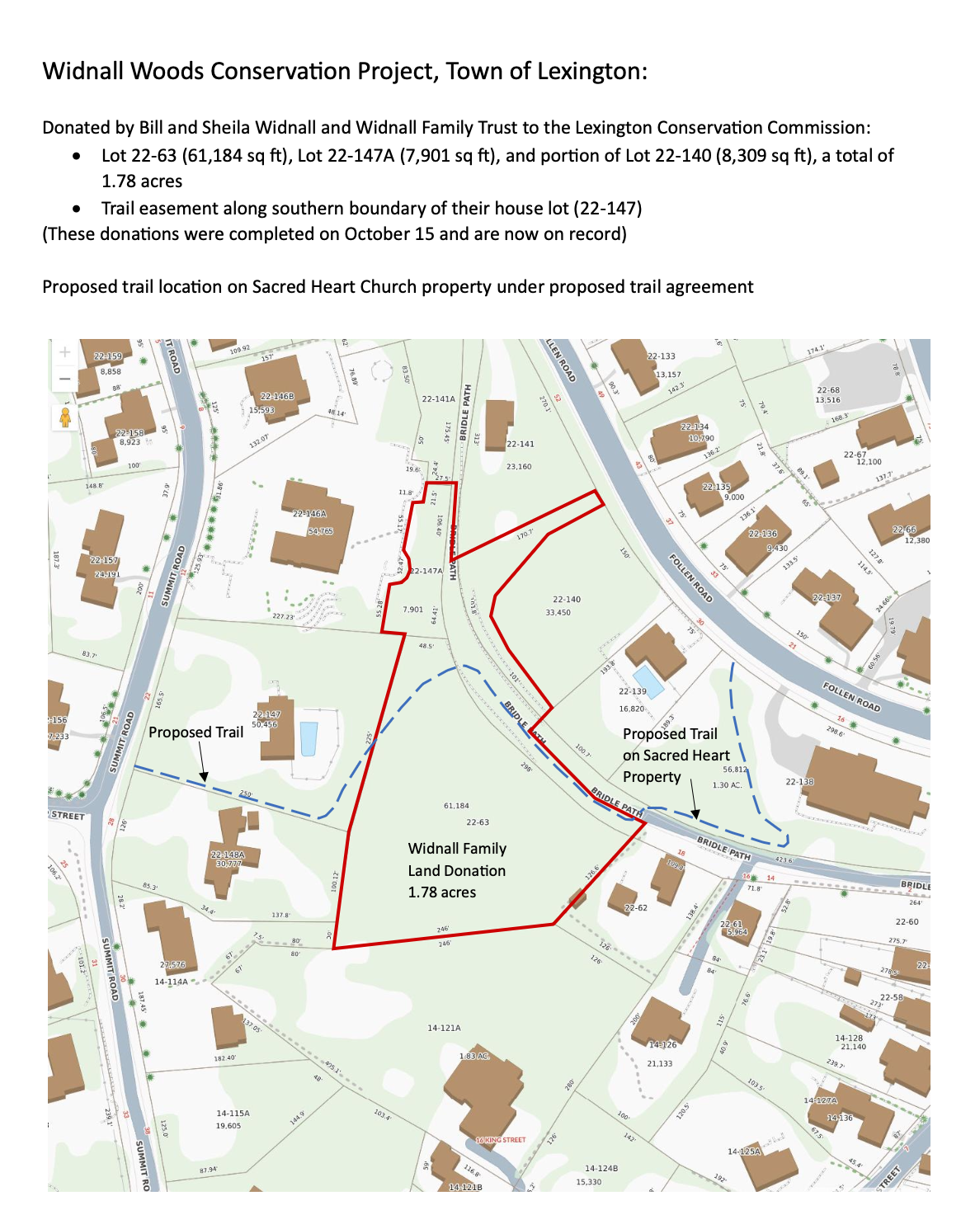
Our garden is dedicated to increasing biodiversity and integral ecology within the Catholic framework inspired by Laudato Si’. We are using the St. Kateri Conservation Centers guidelines for ecological faith-centered gardening and have been designated the first St. Kateri Ark of Faith and Biodiversity in the United States. This collaboration has been a great source of encouragement to us. We are also working with the Archdiocese of Boston to get approval for the town to construct a 400- foot-long trail through our property to connect nature trails from existing conservation land to several newly acquired acres toward the top of hill.
Garden Practices
Garden Practices
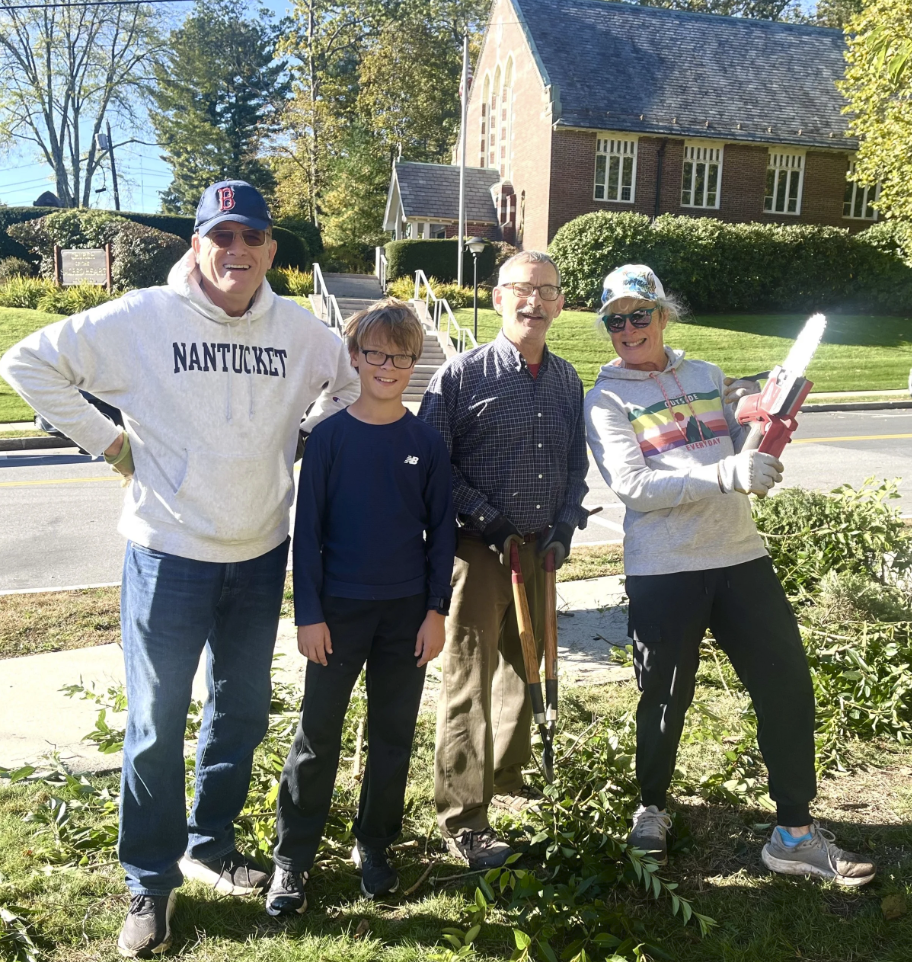
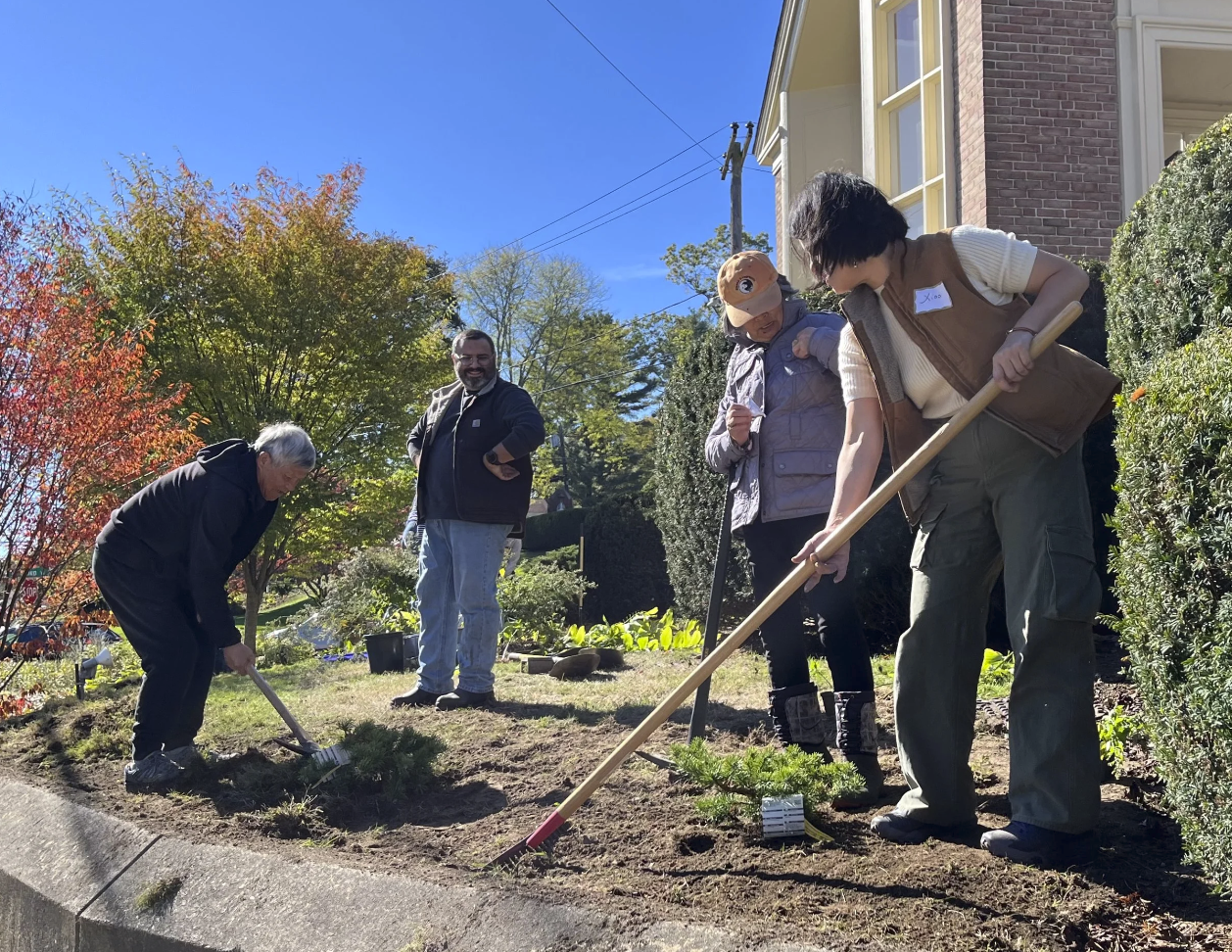
We do all our work using regular garden tools, including chain saws for removal of invasive trees, overly-sheared and poorly chosen ornamentals. We are also removing sod with shovels. We have removed roots in some areas, but usually cut them back as they sprout, because extracting large roots is labor intensive and risky.
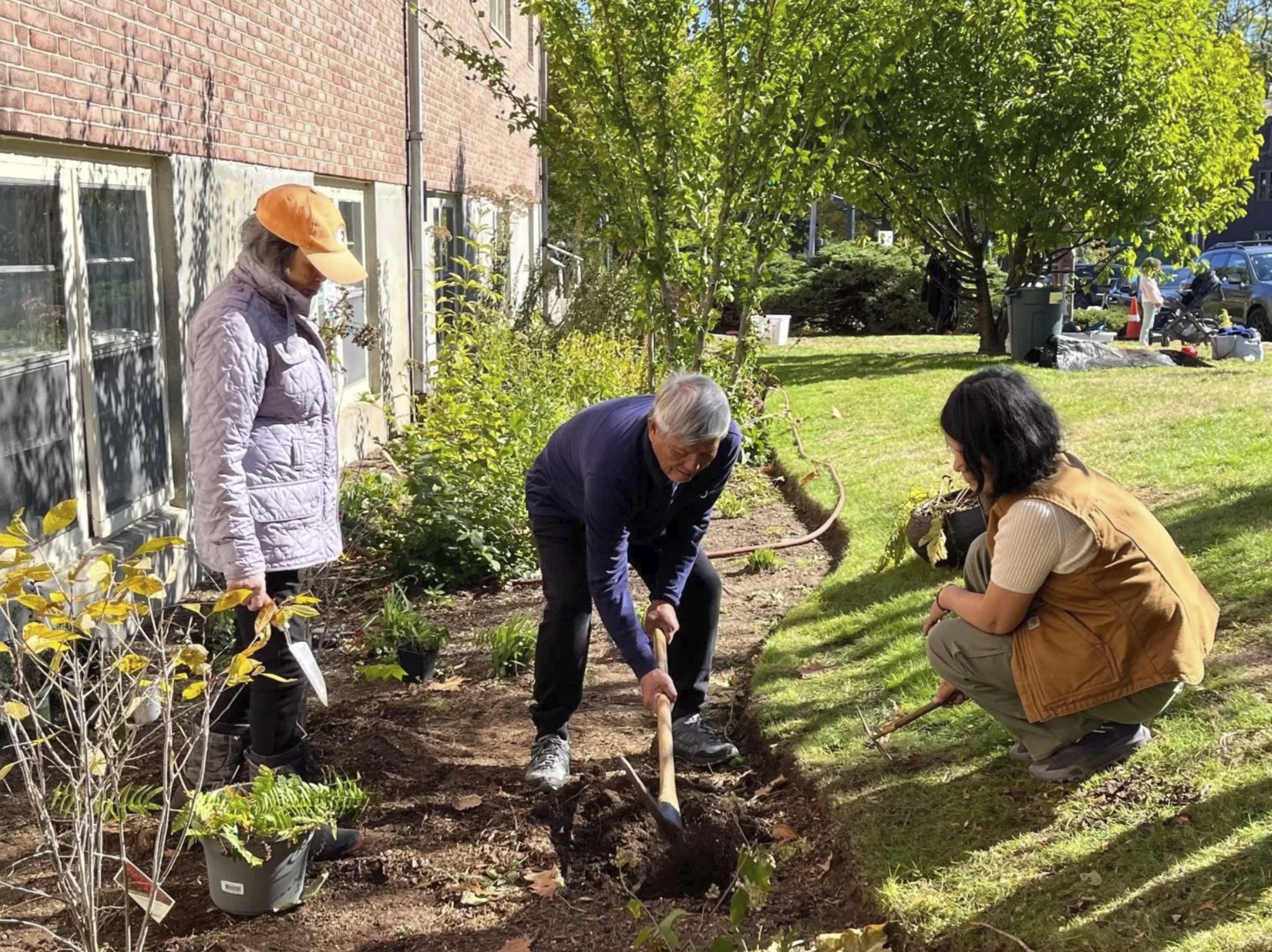
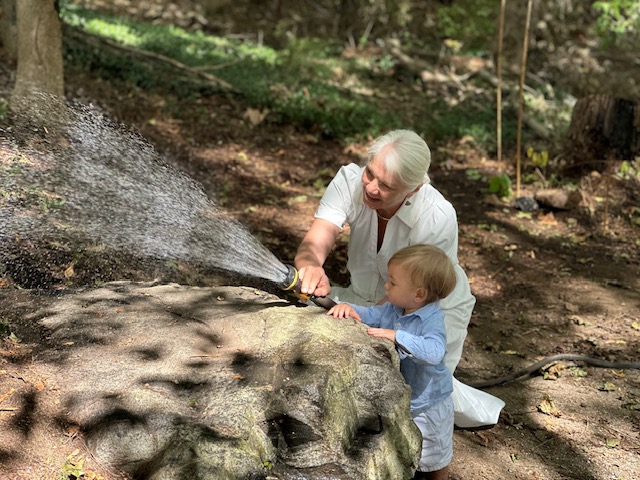
The replacement plantings have been donated and planted by parishioners and participants from the local community. Small amounts of compost are added as needed. We do not used herbicides or pesticides and parishioners use only organic methods. The plants that are removed are stored in a hügelkultur berm near the base of the hill. We are currently watering and weeding the plantings with the plan to cut back on water over the next year. All new plantings are chosen to be self sustaining by the third year. We are prepared to water in the event of severe drought, but they were chosen to survive on their own. We will continue weeding as required but hope that as the natives fill in they will outcompete undesirable plants.
There is also a group of landscapers who care for the more traditional portion of the garden. We are starting to work together and have plans to move toward a more organic approach to gardening as we convert the remaining portions of the property to more biodiverse native plantings.
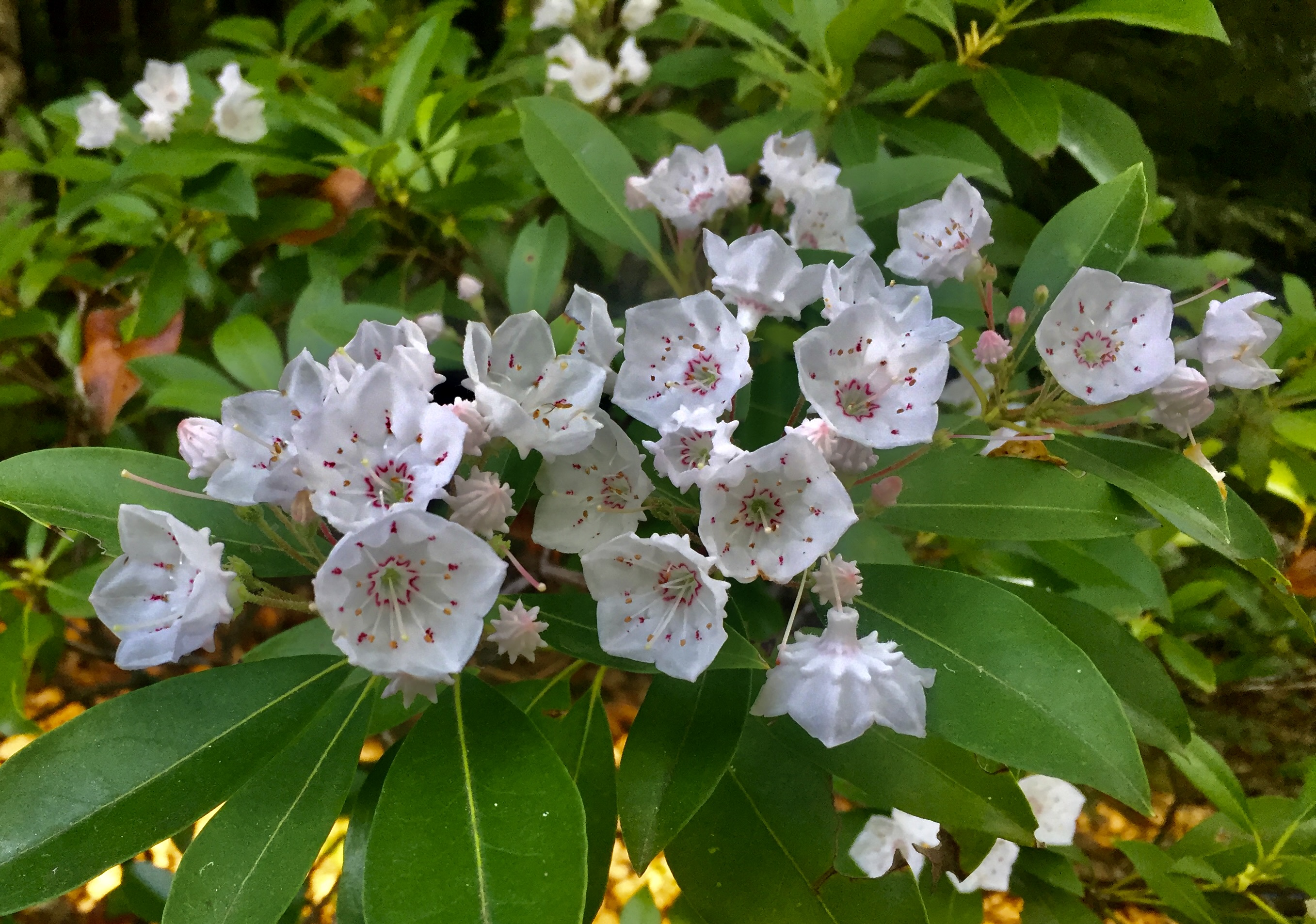
Planted in the pollinator garden:
American Cranberry Bush
American Hazelnut
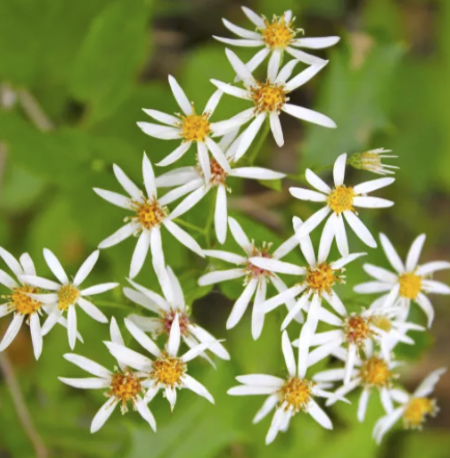
Asters, (white)
Bee Balm (red)
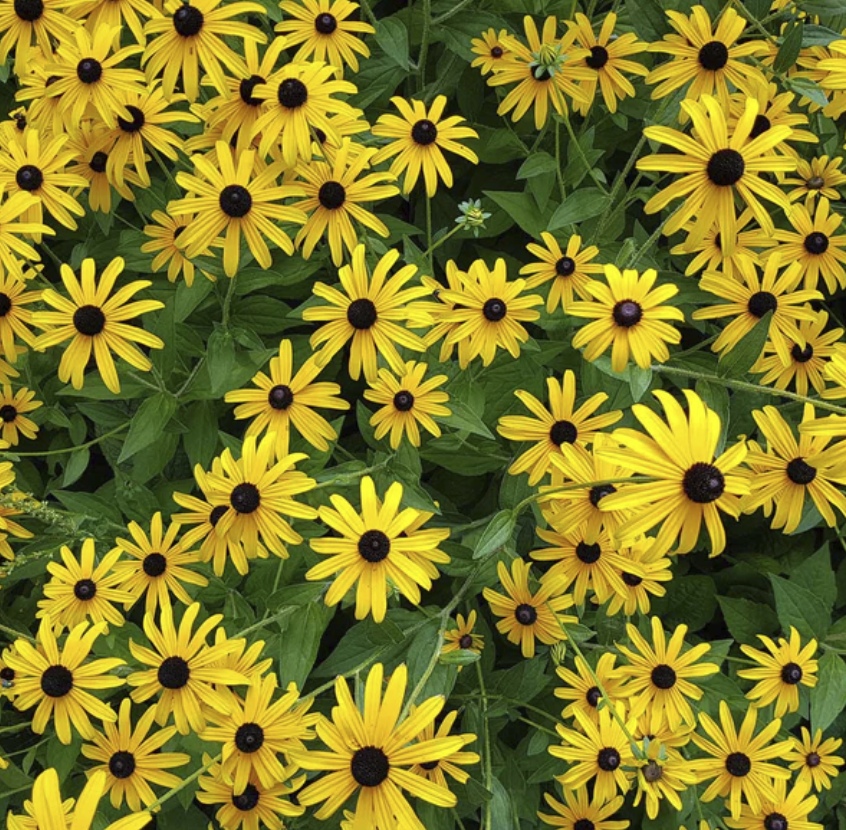
Black-eyed Susans
Coneflowers, pink and white
Evening Primrose
Eupatorium rugosum ‘chocolate’
False sunflowers
Goldenrod, Wreath and Canadian
Golden Alexander
Helianthus
Irises
Jerusalem Artichoke
Joe Pye Weed
Lobelia, Great Blue
Milkweed
St. John's Wort
Spiderwort
Sunflower, Smooth Oxeye
Tickseed
Wild Geranium
Wild Strawberries
Running Groundsel
Planted in the meditation garden:
Columbine, Red
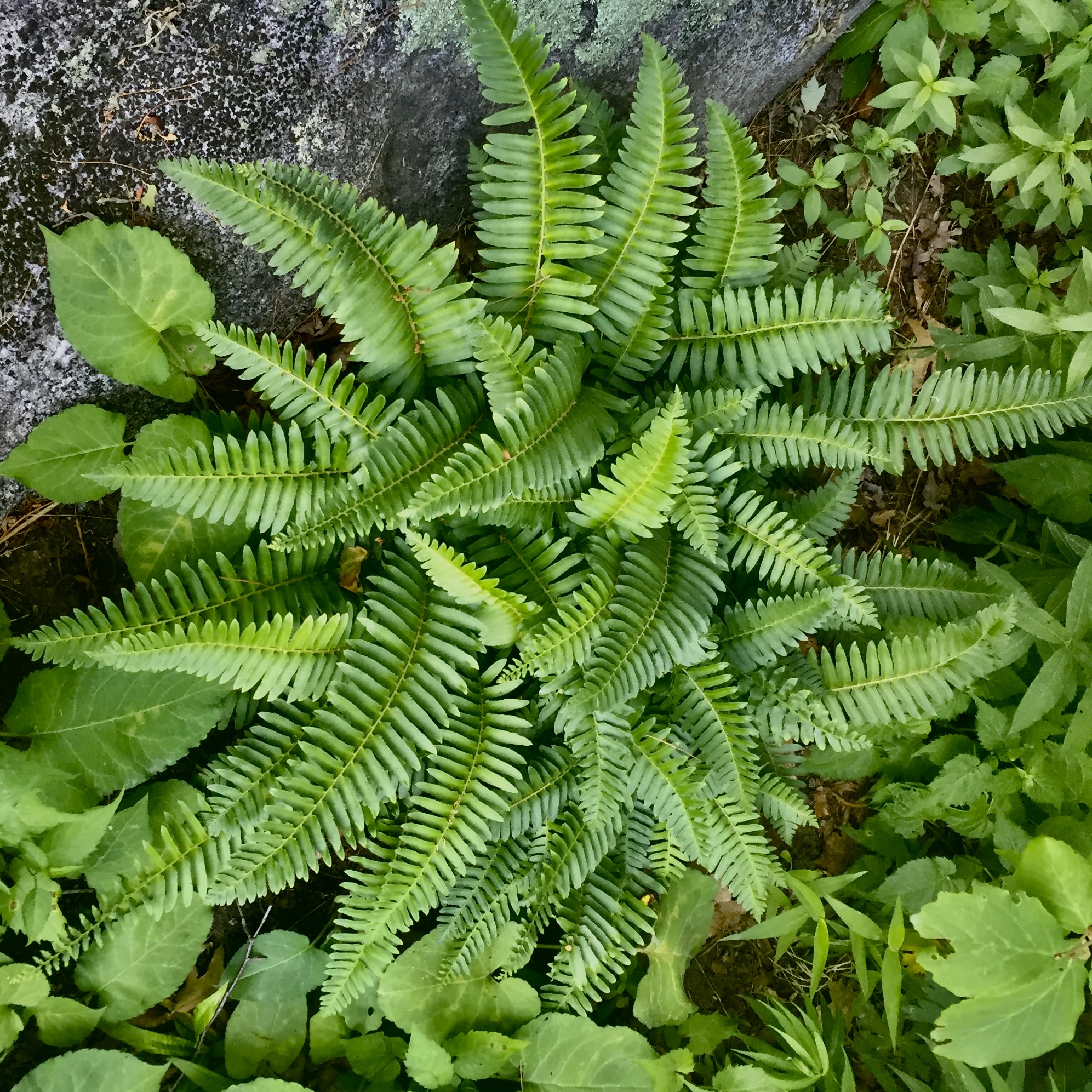
Fern, Hay-scented
Foxglove, Beardtongue
Golden Alexanders
Goldenrod, Wreath
Hydrangea, Oak-Leaved
Milkweed, Swamp
Mountain-mint, Broad-leaved
Sedges, Pennsylvania and Northern Long
Virginia Creeper
Wild Geraniums
Wild Grape
Wild Violets
Wood Aster, Blue and White
Parishioners have directly supported the conversion of 3,000 sf of land that provided little benefit to local pollinators or wildlife and was full of invasive plants including a canopy of Norway Maples and Tree of Heaven. The understory was filled with Burning Bush, Amur Honeysuckle, vinca and other aggressive plants. It is our practices to fill areas when we remove invasive plants. There has been an incredible outpouring of native plants (see above), mostly locally cultivated in parishioner's home gardens. These seem to be thriving, other than when they are cut short by wildlife.
Additional Information
Additional Information
Our biggest challenges related to a lack of understanding of Laudato Si' principles. There has been tremendous growth in this area since we started. Just last Sunday, December 7, 2025, Sacred Heart completed the discernment process to become a Laudato Si' Parish and to dedicate our efforts to living out the principles of Laudato Si. We hope that this designation will attract like-minded parishioners who are committed to caring for the earth and the poor.
We are also a newly independent parish, that received the designation of personal parish in June 2024. While our numbers are growing, we are still getting on our feet financially and applying for funding to remove the invasive trees that have become dominant in our forest. While we have established a partnership with Team Rubicon to remove and girdle the invasive trees, we would need additional funding to purchase plants to replace these and restore the woodland. At our current rate, it will take a decade and a half to complete the work. If we had the plants, we could complete the bulk of the project in spring and early summer of this year.
Plants:
200 native trees (representing at least 20 climate-resilient keystone species), 500 sq ft of mixed native wildlife sod
100+ native plants
200 watering collars, wood chips for moisture retention
Plants will be selected to become self-sustaining within 2–3 years, requiring supplemental water only during severe drought. Species choices will reflect regional climate projections over the next 60 years.
Other items:
200 Watering collars for trees
Wood chips for plantings
Soil to cover hügelkultur berm
Materials for constructing a 4x6 foot wildlife watering basin
Paid work:
A certified aborist to identify and mark invasive trees on one acre of land
Assistance removing sod and a 20 foot section of legacy construction debris
Transport and placement of soil for hügelkultur berm
What started as a few people working in the woods, became dozens of people showing up for community garden days. Our work has become a topic of interest in the local and secular community and we have been invited to do workshops and have had several articles written about our work. People are also starting to use our Sacred iNaturalist Project to document the increase of biodiversity on our property. The invitations continue to come in and we are pleased to encourage others to become active participants in the repair and maintenance of our common home.