Garden Details
Garden Details
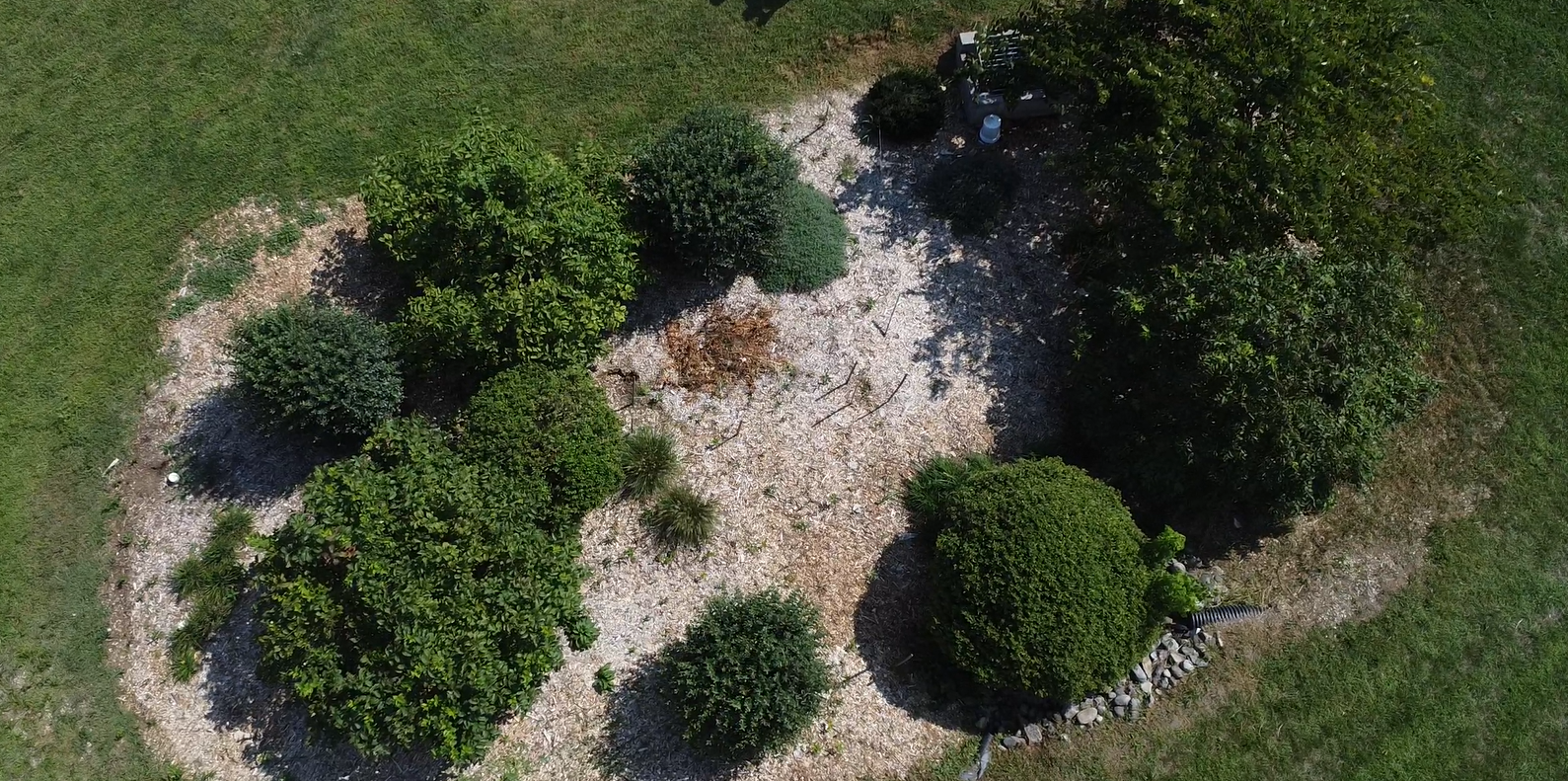
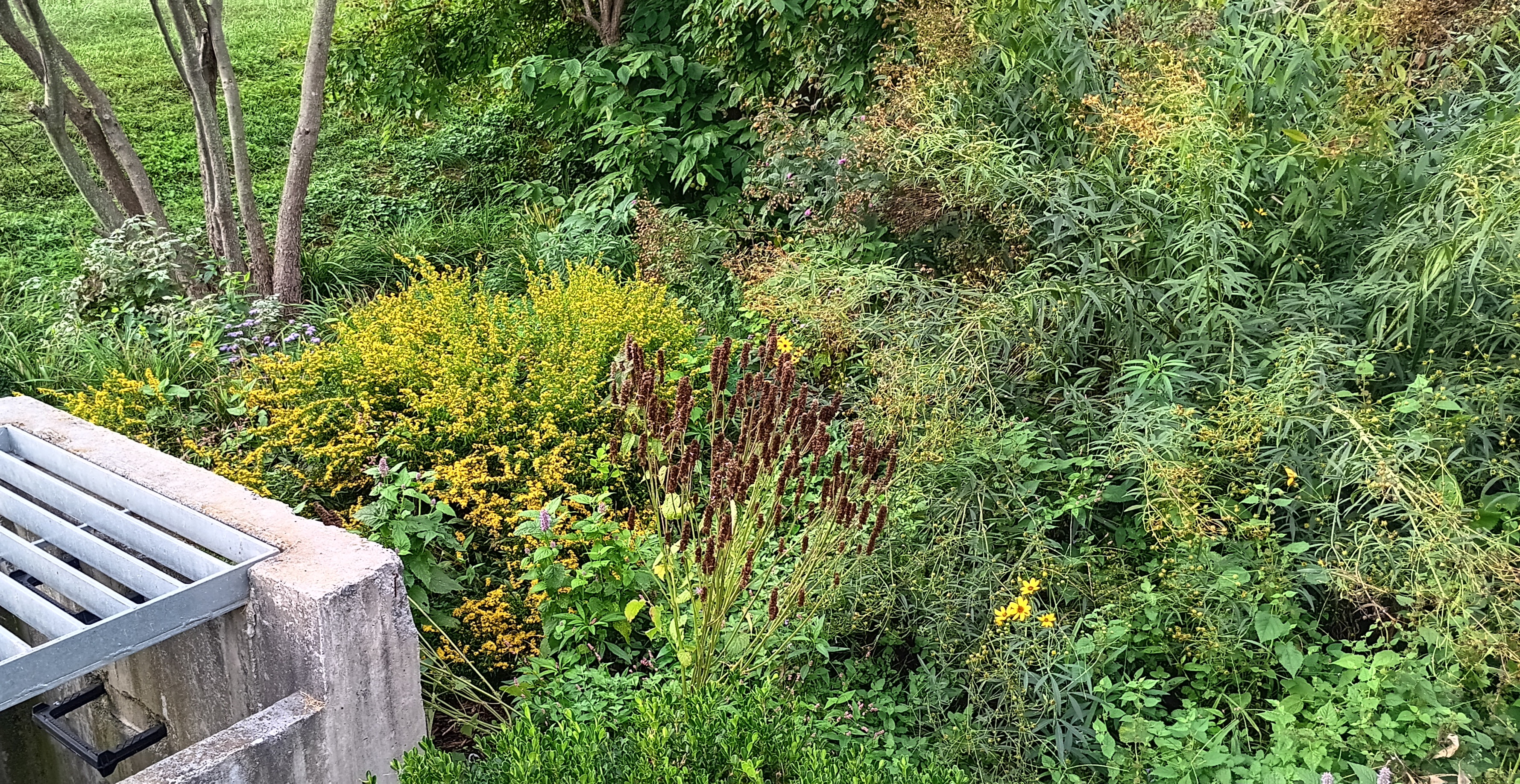
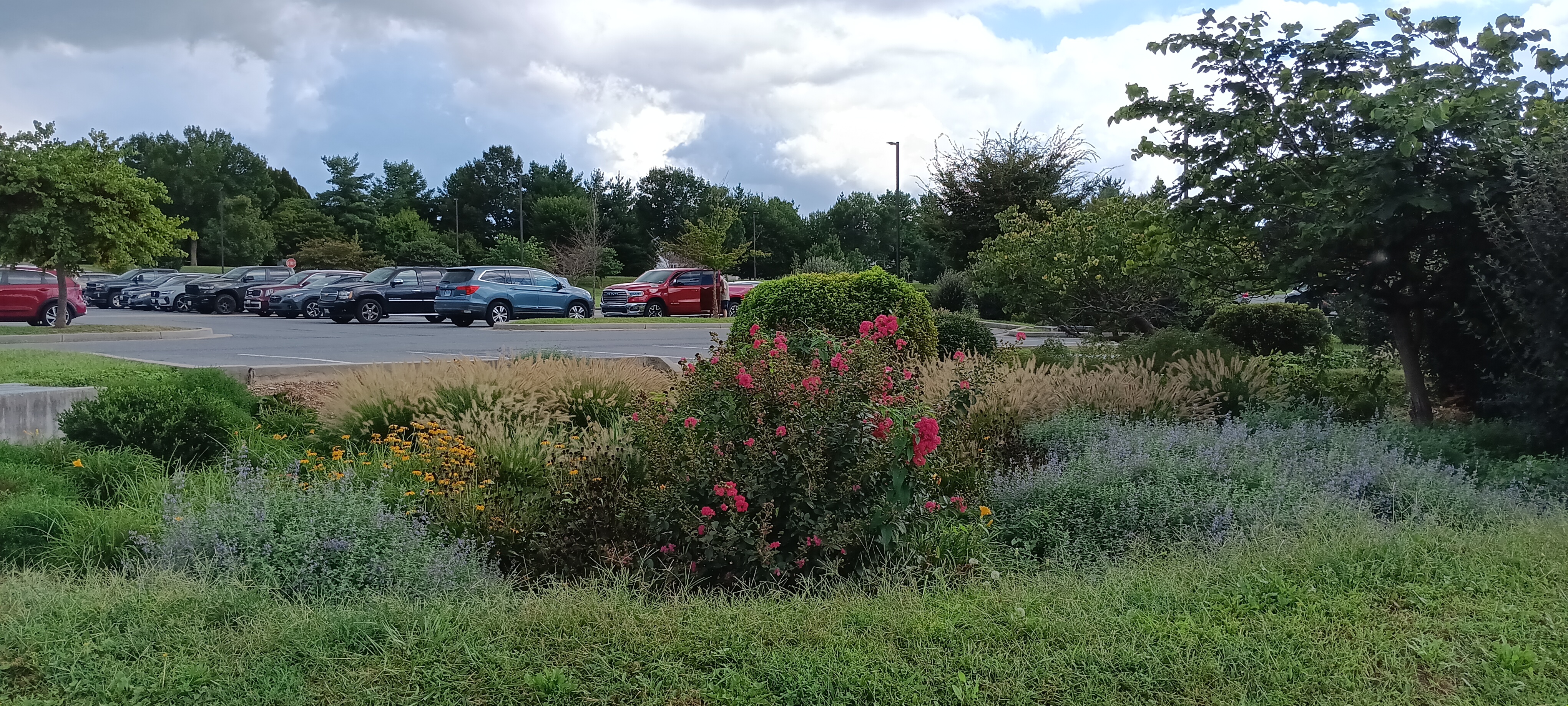
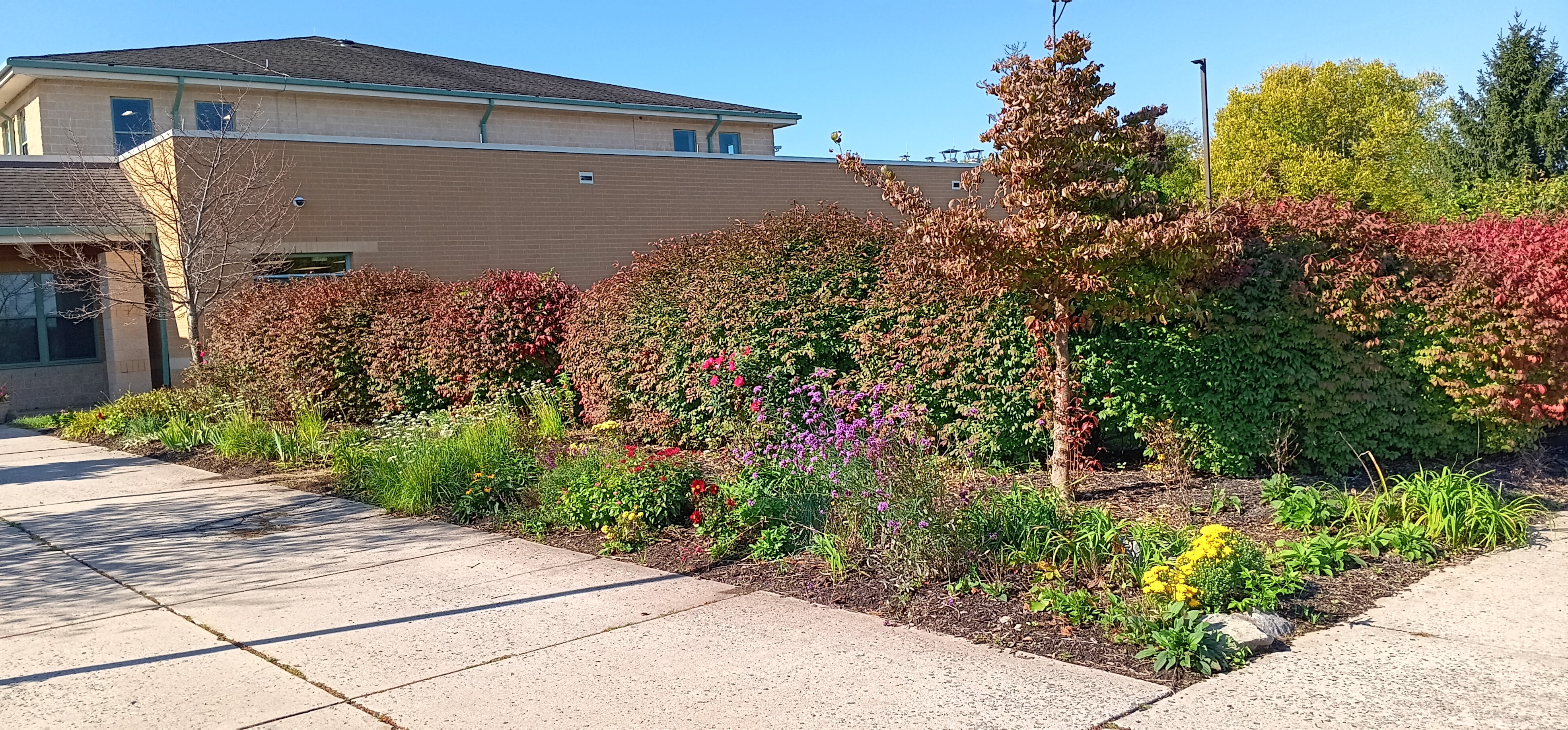
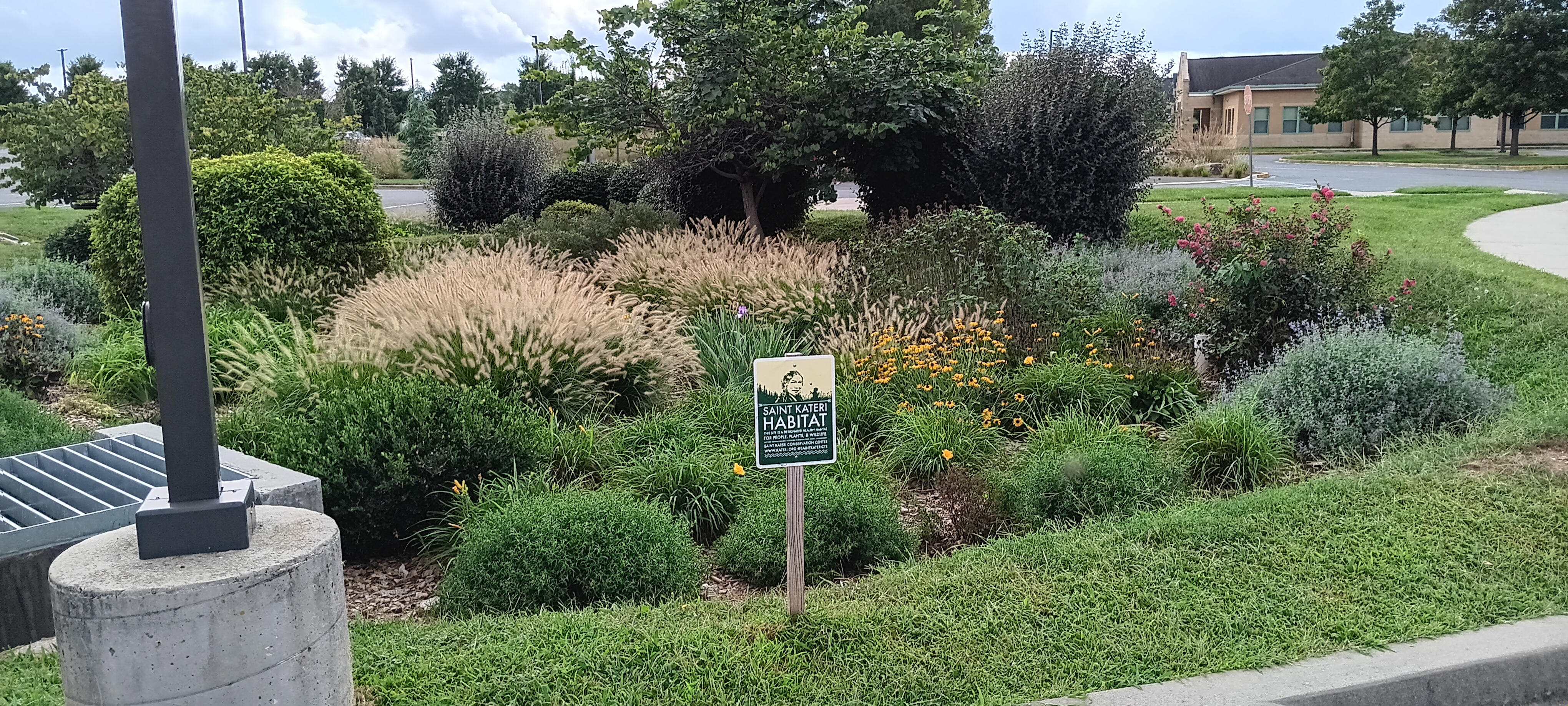
Six rain gardens, one pollinator garden and two flower gardens.
Garden Practices
Garden Practices
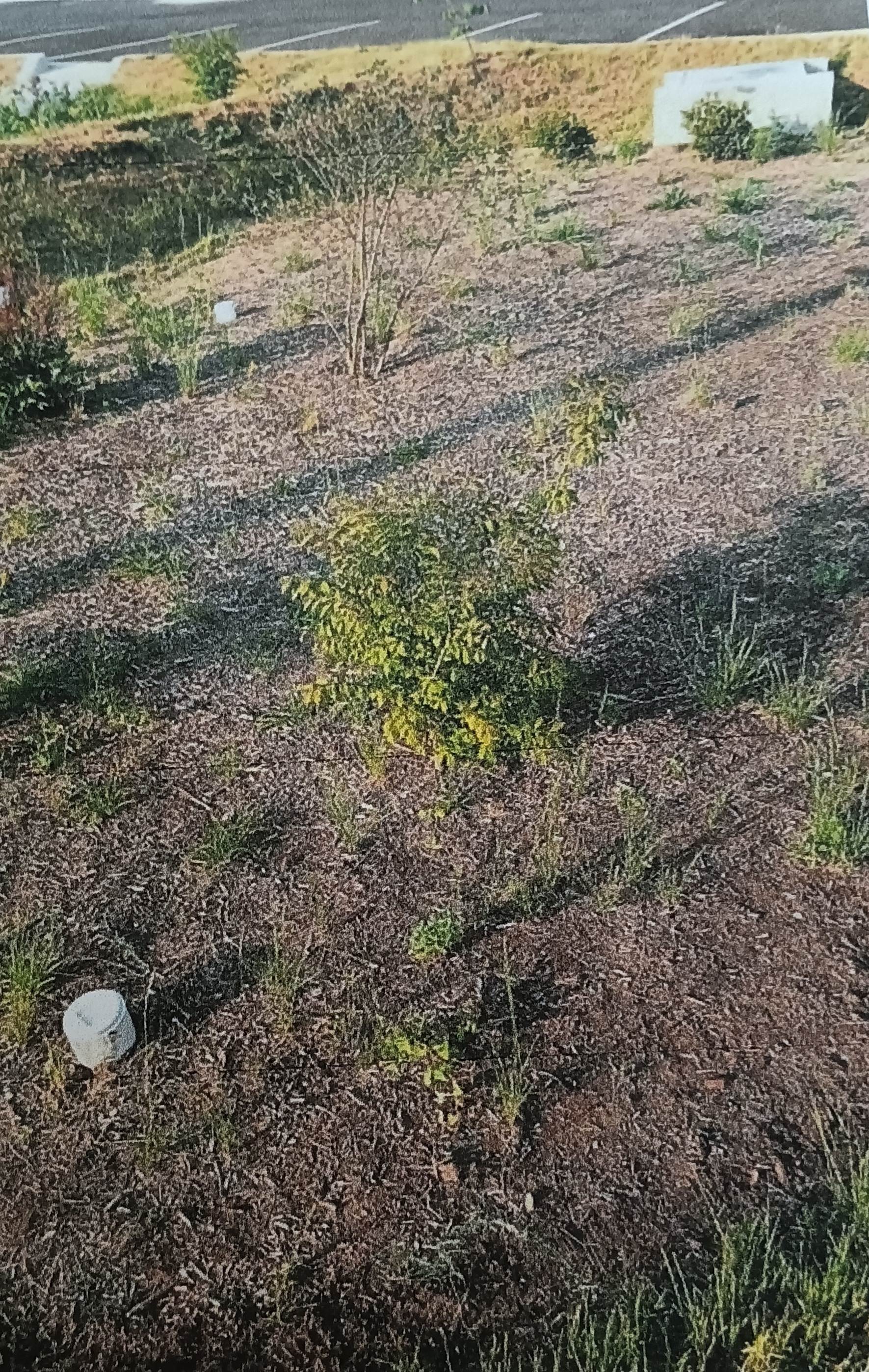
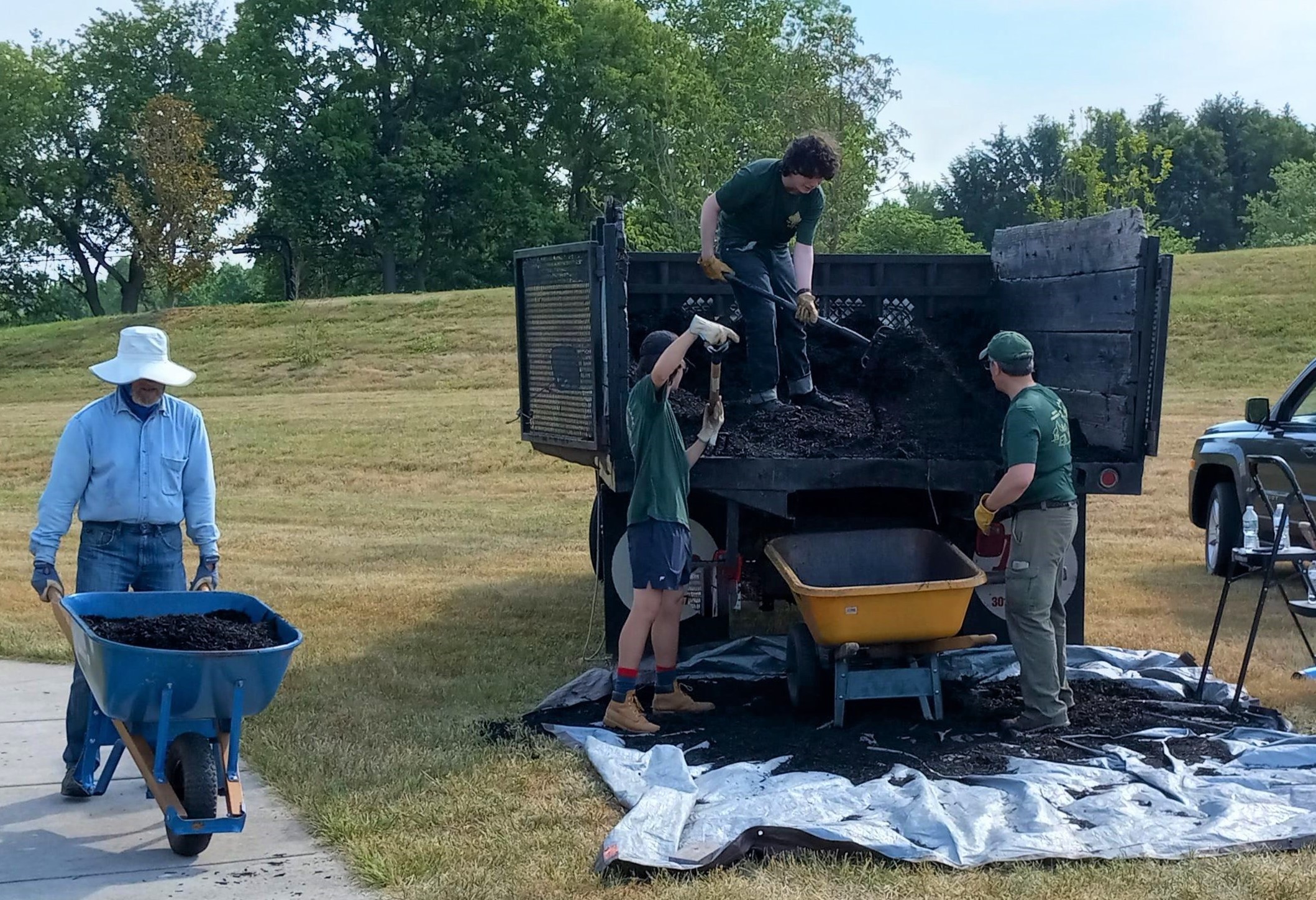
The rains gardens consist of mostly native plants, the pollinator garden is only native plants and the two flower gardens are a mixture of native and non-native plants. Wood chips are used in the rain gardens to help with weed control and mulch is used in the flower gardens. Spot wood chipping and mulching are done each Spring and Fall. No herbicides are used in any of the gardens.
We also have a local lawn maintenance company do the trimming of the bushes and Fall cutback of the rain garden plants. We do leave the pollinator garden on one of the rain gardens natural and cut those back each Spring in order to provide food and shelter during the winter months.,
Button Bushes, Cat mint, Daylilies, Purple Cone Flowers, Black-eyed Susan, Red Buds, native grasses, etc. Volunteers are provided a recommended list of native plants to donate for the rain gardens. During our annual Spring recycling event parishioners purchase then donate native plants for the gardens.
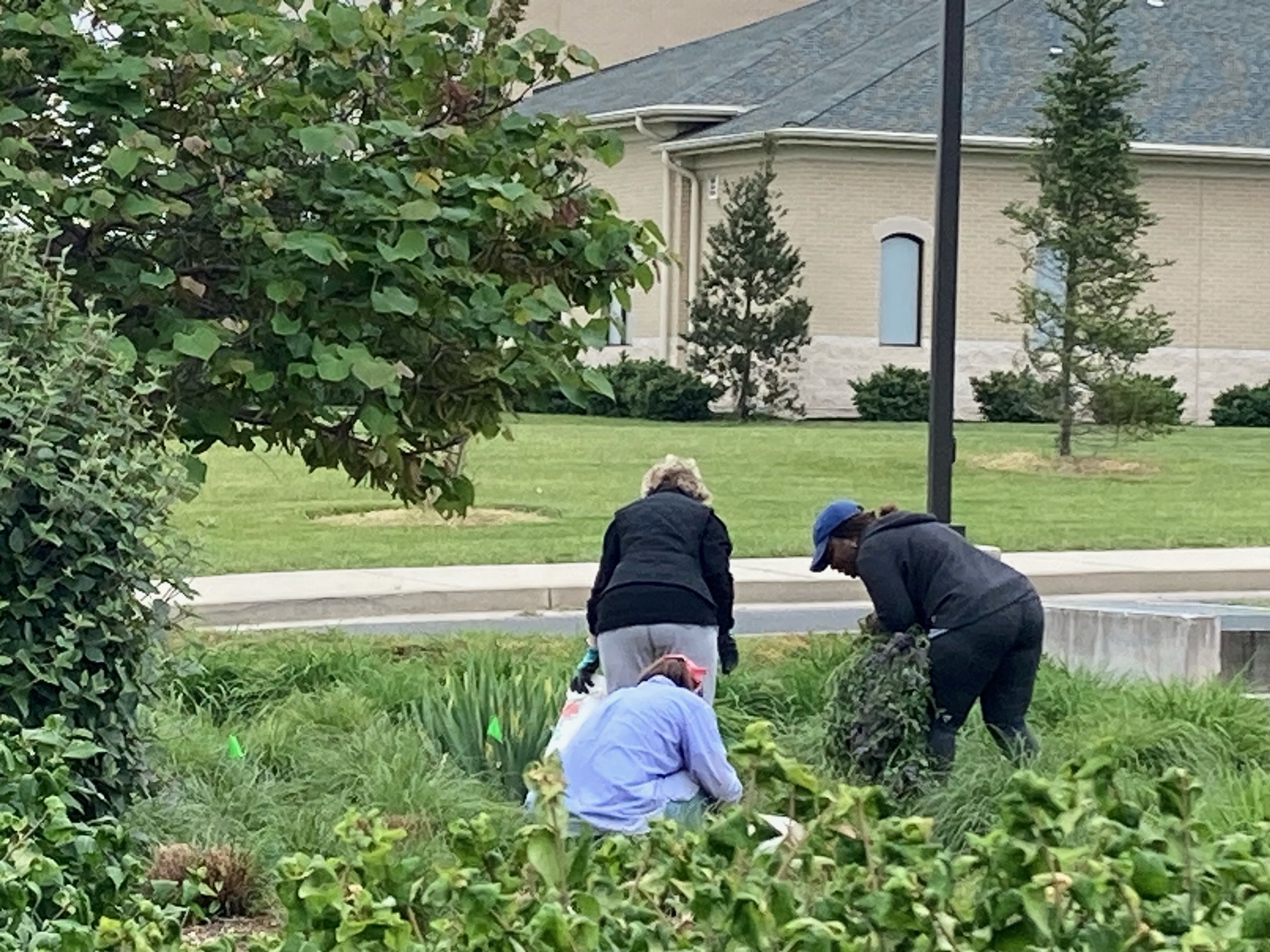
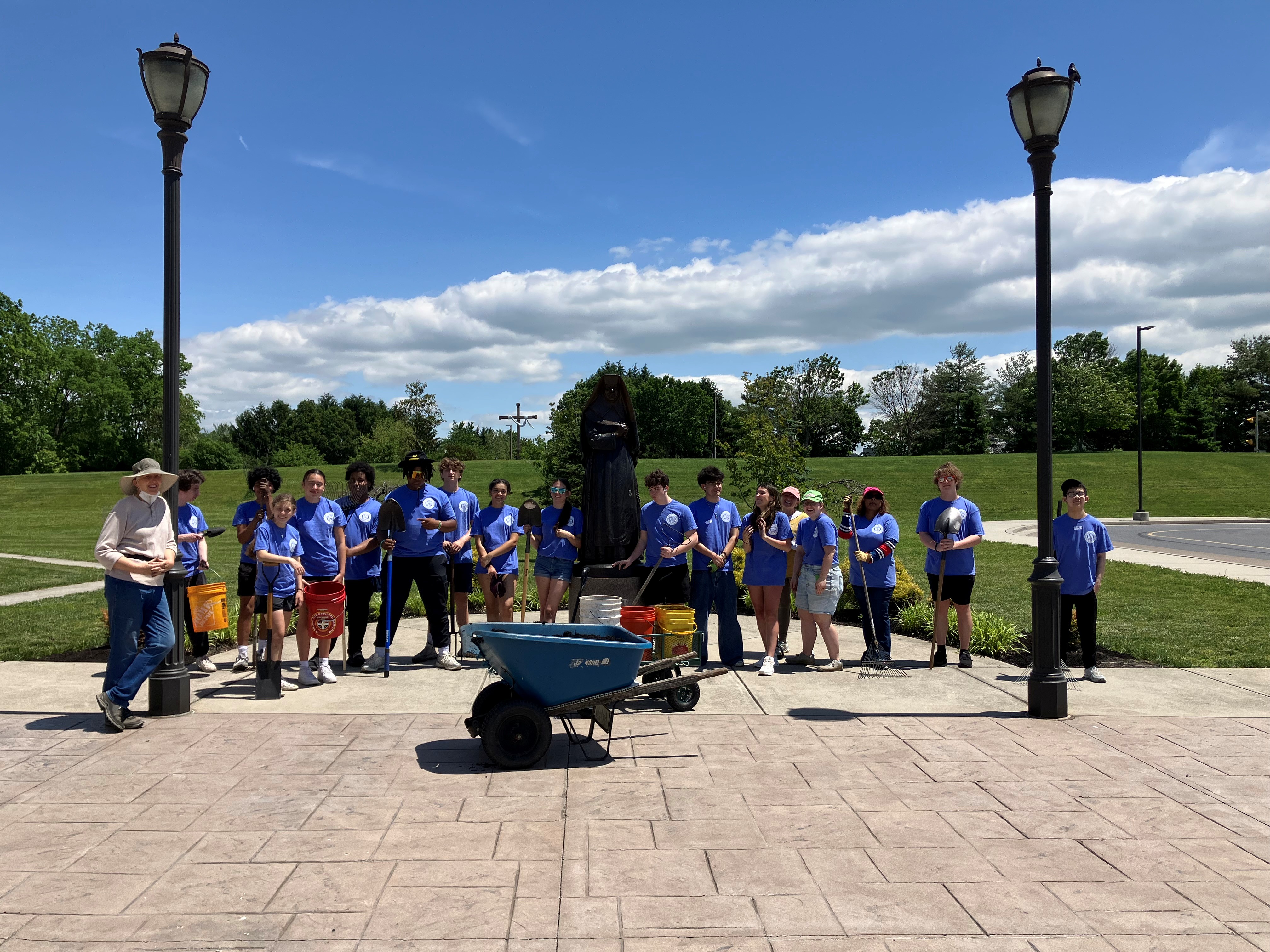
We have twenty to twenty five parishioners (Weeding Warriors) who help maintain the gardens. These volunteers donate approximately 400 hours each weeding season. Each year twenty five students from Saint John's Catholic Prep High School join us for a community service day to help prepare the rain gardens for our Spring wood chipping. Our local Boy Scout troop helps with our Fall wood chipping and mulching.
The 5th and 6th grade science students at Saint John's Regional Catholic School helped us design and select plants for our pollinator garden and a local Master Naturalist helped with the final placement of the plants.
Additional Information
Additional Information
Ongoing challenge of staying ahead of the weeds and consistent weeding of the gardens due to the sometimes extreme Summer temperatures.
Every March we check with the previous years volunteers asking for their commitment to the current year's garden maintenance. Then we put out a call parish wide request to fill in our volunteers. If needed, additional requests are made during the weeding season.
Adding more native plants to our six rain gardens. The conversion of one of the rain gardens into pollinator garden which involved transplanting more than sixty daylilies to the other six rain gardens, transplanting numerous cat mint bushes, and removing all the non-native plants.
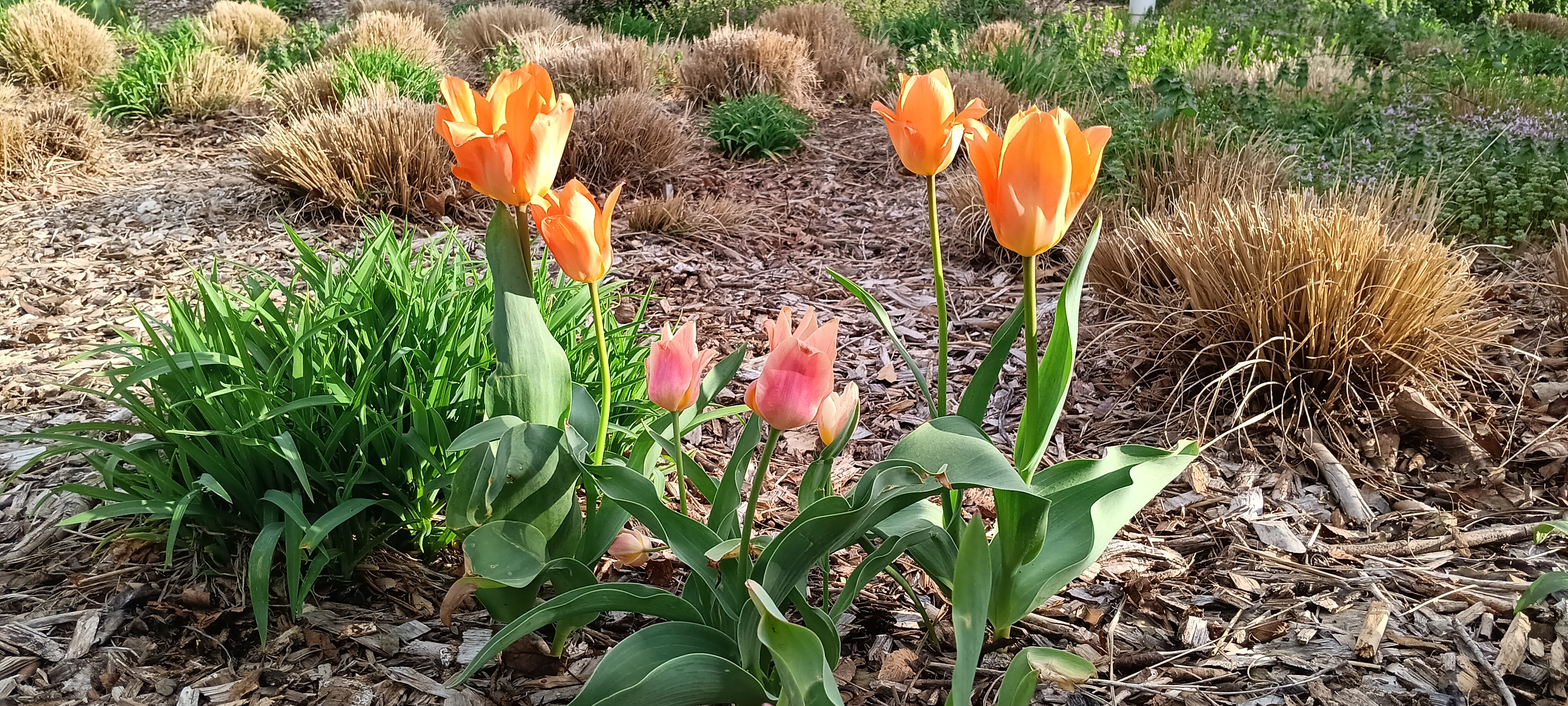
Planting tulips which gives us flowers in the rain gardens during the Easter season.
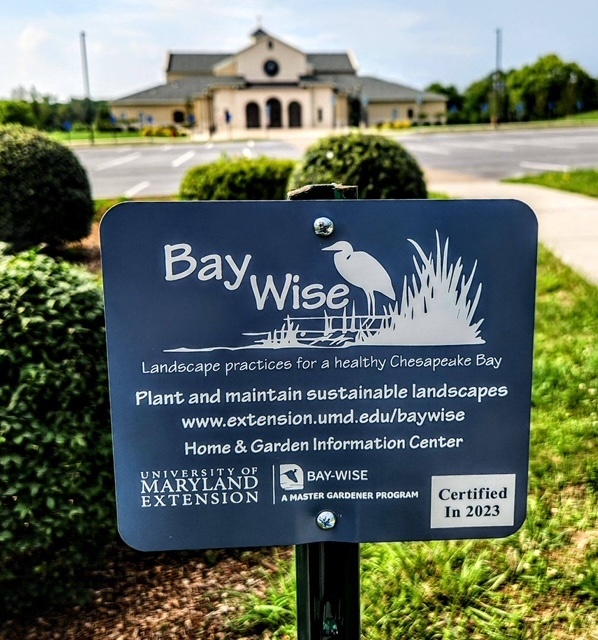
We received certification from the University of Maryland Master Gardeners and the Chesapeake Bay Foundation as Bay Wise gardens and certification as Saint Kateri Habitats as sacred contemplative spaces.